
5 Mukhi Rudraksha: Meaning, Benefits in Tradition and How to Wear It
Rudraksha Advisor team · 6 min read
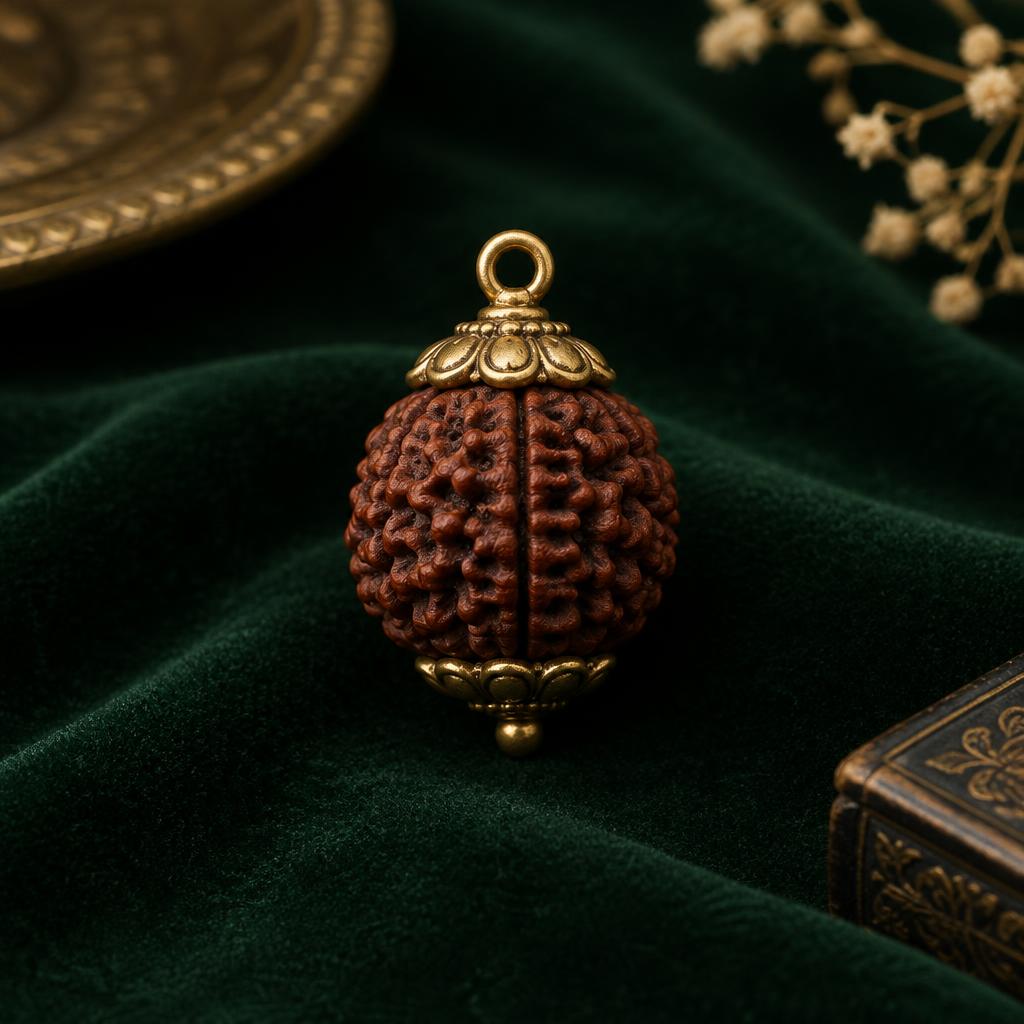
The 5 Mukhi, or Five Mukhi, Rudraksha is the most widely worn Rudraksha in the world. It is found in temple malas, on the wrists of students and professionals, and around the necks of spiritual practitioners. Because it is abundant and affordable, it is often the first bead people own. This guide explains what tradition says about the 5 Mukhi, how it is used and how to choose a good one.
What makes a bead 5 Mukhi
A 5 Mukhi bead has five natural lines running from top to bottom. These beads grow abundantly in Nepal, Indonesia and India, which is why they are inexpensive compared with higher Mukhi. Their wide availability means they are also commonly used to make malas of 108 + 1 beads.
Traditional meaning
In tradition, the 5 Mukhi is associated with Kalagni Rudra, a form of Lord Shiva. The five lines are sometimes linked with the five elements (earth, water, fire, air and space) and with the five faces of Shiva. It is traditionally regarded as a bead for general wellbeing, a calm mind and steady daily practice.
These are traditional beliefs and spiritual associations. Rudraksha is not a medical treatment, and we do not claim that any bead guarantees health, wealth or other outcomes.
Who traditionally wears 5 Mukhi
Because it is considered gentle and suitable for almost everyone, the 5 Mukhi is often worn by:
- Beginners who want to start with a single bead or bracelet.
- People who do daily japa or meditation with a mala.
- Students and working professionals looking for a simple spiritual reminder.
- Families who keep Rudraksha as part of daily puja.
Using a 5 Mukhi mala for japa
A japa mala usually has 108 beads plus one larger 'Meru' or 'Sumeru' bead that marks the start and end. During chanting, the mala is held in the right hand and beads are moved one at a time with the thumb and middle finger, traditionally avoiding the index finger. When you reach the Meru bead, you turn the mala rather than crossing over it. Many people chant 'Om Namah Shivaya' with a 5 Mukhi mala, though your own guru or tradition may suggest a different mantra.
Single bead, bracelet or mala?
A single bead on a red or black thread, or capped in silver or gold, is the simplest option. A bracelet of smaller beads is comfortable for daily wear. A mala is ideal for japa and can also be worn. Some people wear a small 5 Mukhi mala of 54 or 27 beads. The choice depends on your practice and comfort.
How to choose a good 5 Mukhi
Because 5 Mukhi beads are so common, quality varies widely. Look for clearly defined, continuous lines, an undamaged surface, a clean natural hole and consistent size if you are buying a mala. For malas, check that all beads are genuinely 5 Mukhi and that the knots between beads are firm. Larger Nepali beads cost more; smaller Indonesian beads are lighter and very comfortable.
Wearing and care guidelines
Traditional guidelines vary by family and region. Many people first purify the bead by washing it gently in clean water, then wear it on an auspicious day such as Monday after chanting a mantra. Some remove the bead before sleeping, bathing with soap or visiting places they consider inauspicious; others wear it continuously. Follow the custom that feels right in your tradition. To keep the bead in good condition, avoid harsh soaps and chemicals, dry it after contact with water, and occasionally apply a small amount of natural oil.
Combining 5 Mukhi with other beads
The 5 Mukhi is often used as the base of combinations, for example with 3, 4 or 6 Mukhi beads, depending on the wearer's purpose. If you are considering a combination, a short consultation can help you understand traditional pairings and avoid buying beads you do not need.
For many people, a simple, genuine 5 Mukhi bead worn with intention is a meaningful and complete start to their Rudraksha practice.
Frequently asked questions
Can anyone wear a 5 Mukhi Rudraksha?
In most traditions, yes. The 5 Mukhi is regarded as gentle and suitable for people of every age and background, including children, students, working professionals and elders. That is one reason it is so widely recommended as a first bead.
How many 5 Mukhi beads should I wear?
There is no fixed rule. Many people wear a single bead, some wear three beads together, and others wear a full 108 + 1 mala. Choose what is comfortable for your routine and practice; more beads are not automatically more beneficial.
Why is 5 Mukhi so inexpensive compared to other beads?
Because it is the most abundant form in nature. Rudraksha trees produce far more 5 Mukhi beads than any other type, so supply is high. The low price reflects availability, not lower spiritual value.
Should I wear a Nepali or Indonesian 5 Mukhi?
For a single visible pendant, a medium Nepali bead with clear lines is popular. For malas and bracelets, smaller Indonesian beads are lighter and more comfortable. Both are genuine options; choose based on how you will wear it.
This article describes traditional beliefs for educational purposes. Rudraksha is not a substitute for medical, legal or financial advice, and no outcome is guaranteed.
Beads mentioned in this article
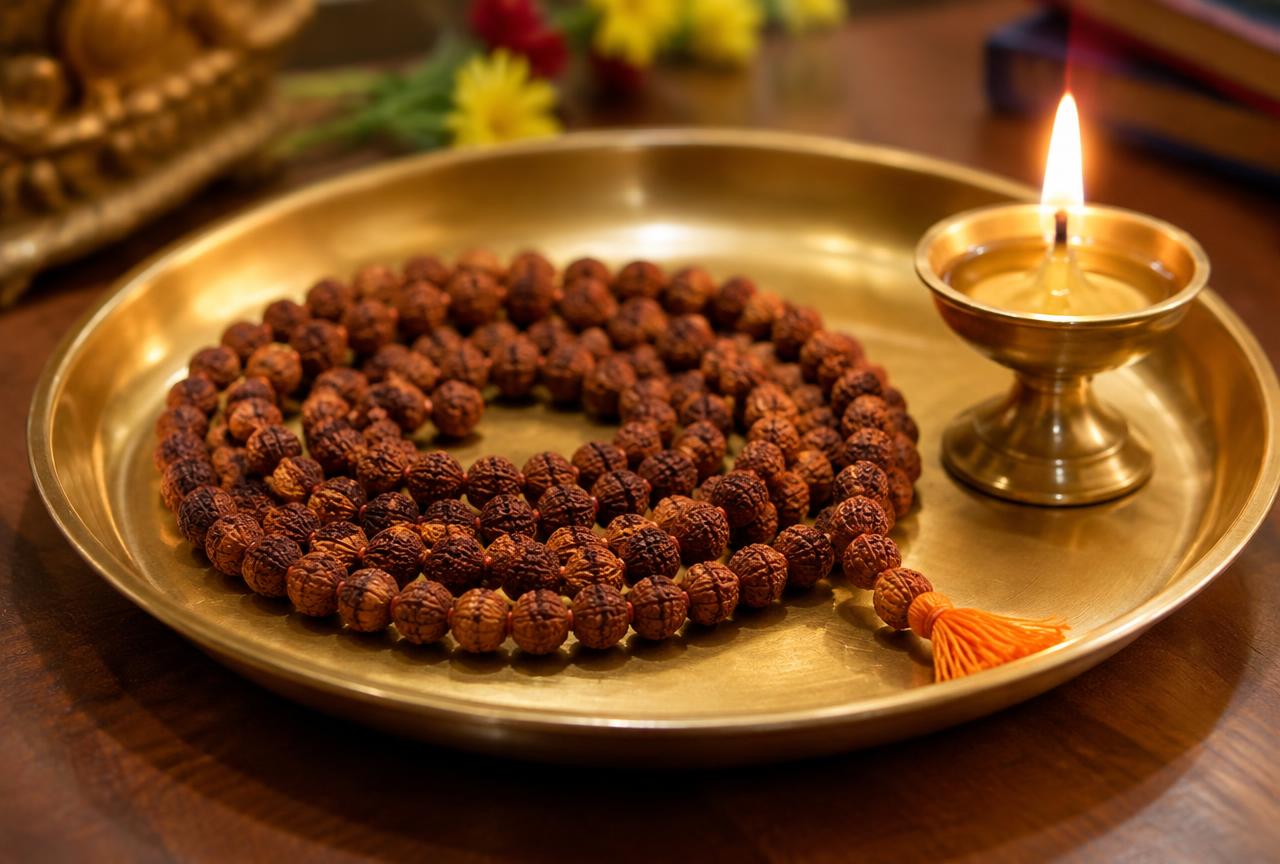 5 MukhiRepresentative image
5 Mukhi Rudraksha
Nepal origin · 17mm – 22mm
Traditionally associated with general wellbeing and daily practice and japa.
₹769
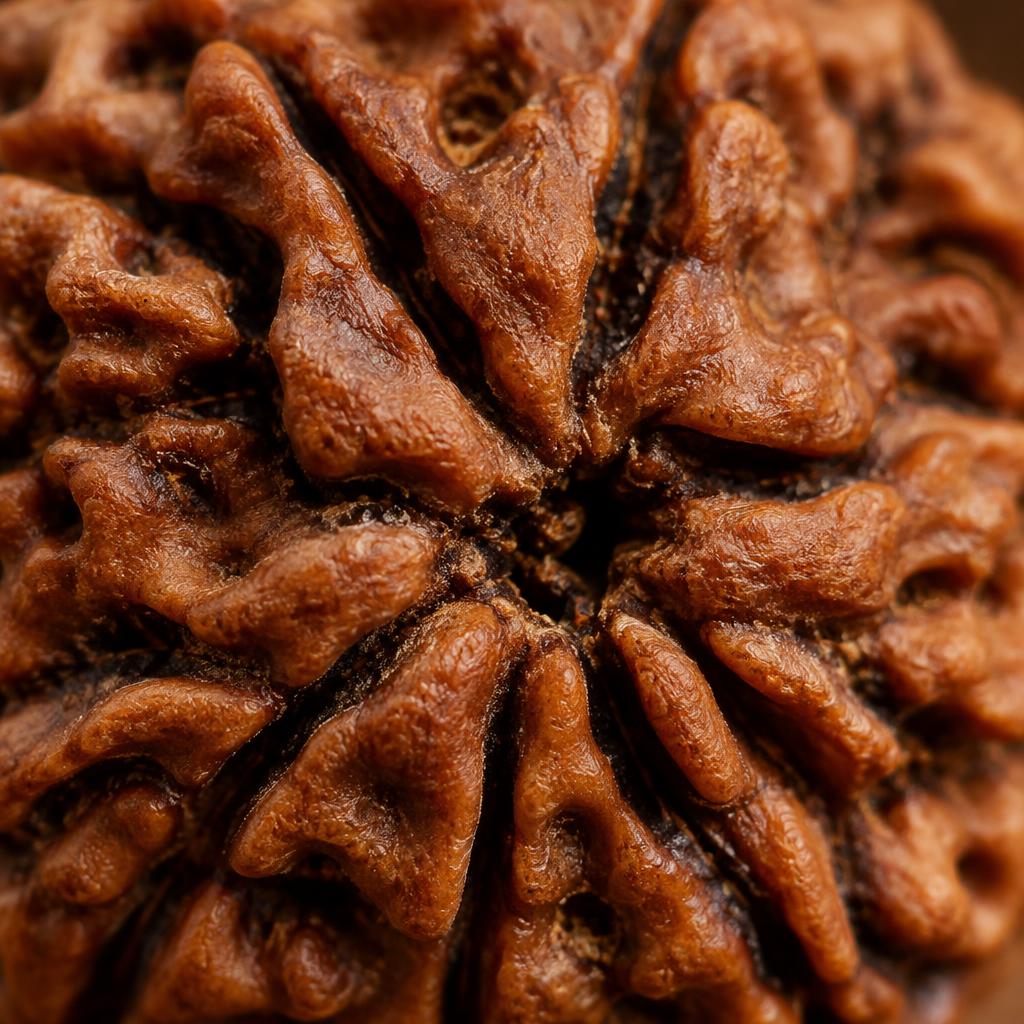 3 MukhiRepresentative image
3 Mukhi Rudraksha
Nepal origin · 17mm – 22mm
Traditionally associated with self-confidence and fresh beginnings.
₹1,649
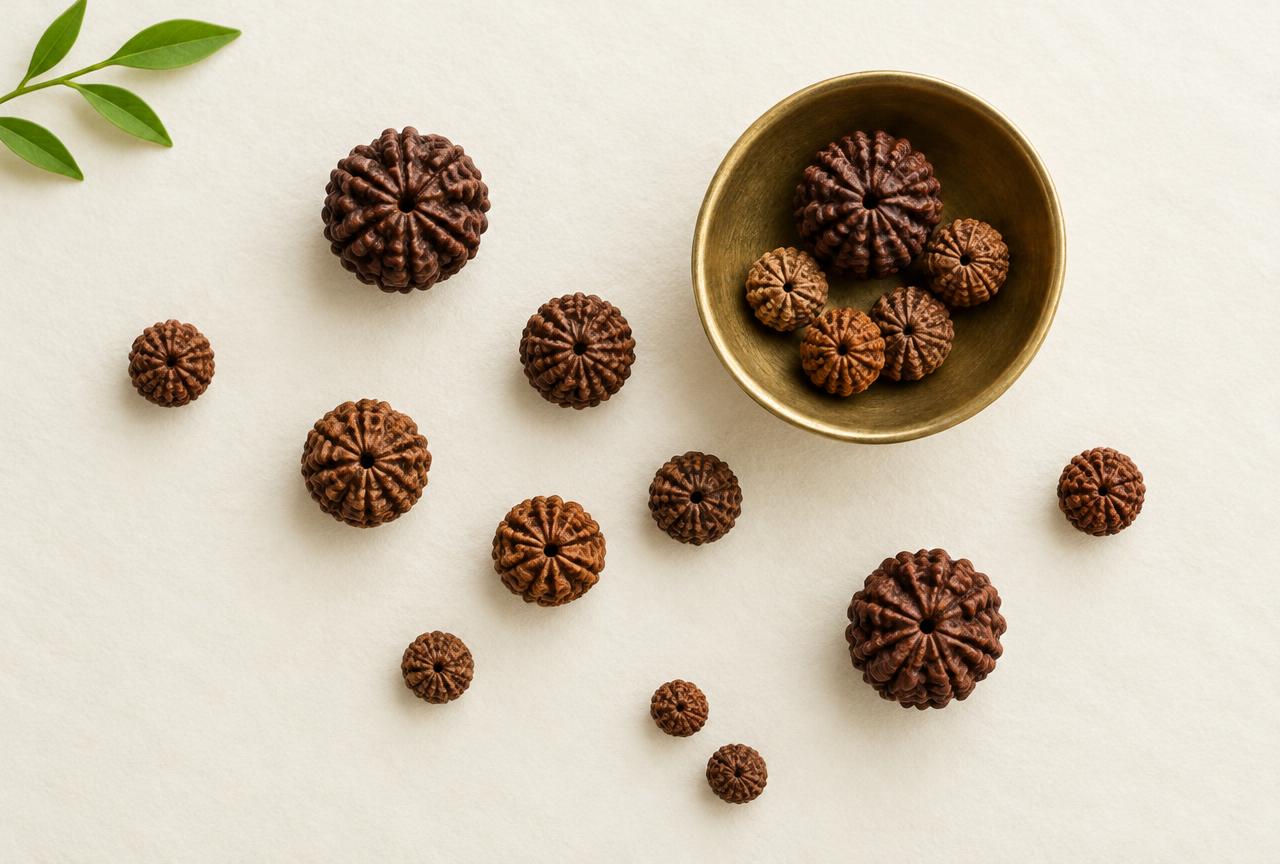 4 MukhiRepresentative image
4 Mukhi Rudraksha
Nepal origin · 17mm – 22mm
Traditionally associated with study and communication and creativity.
₹989
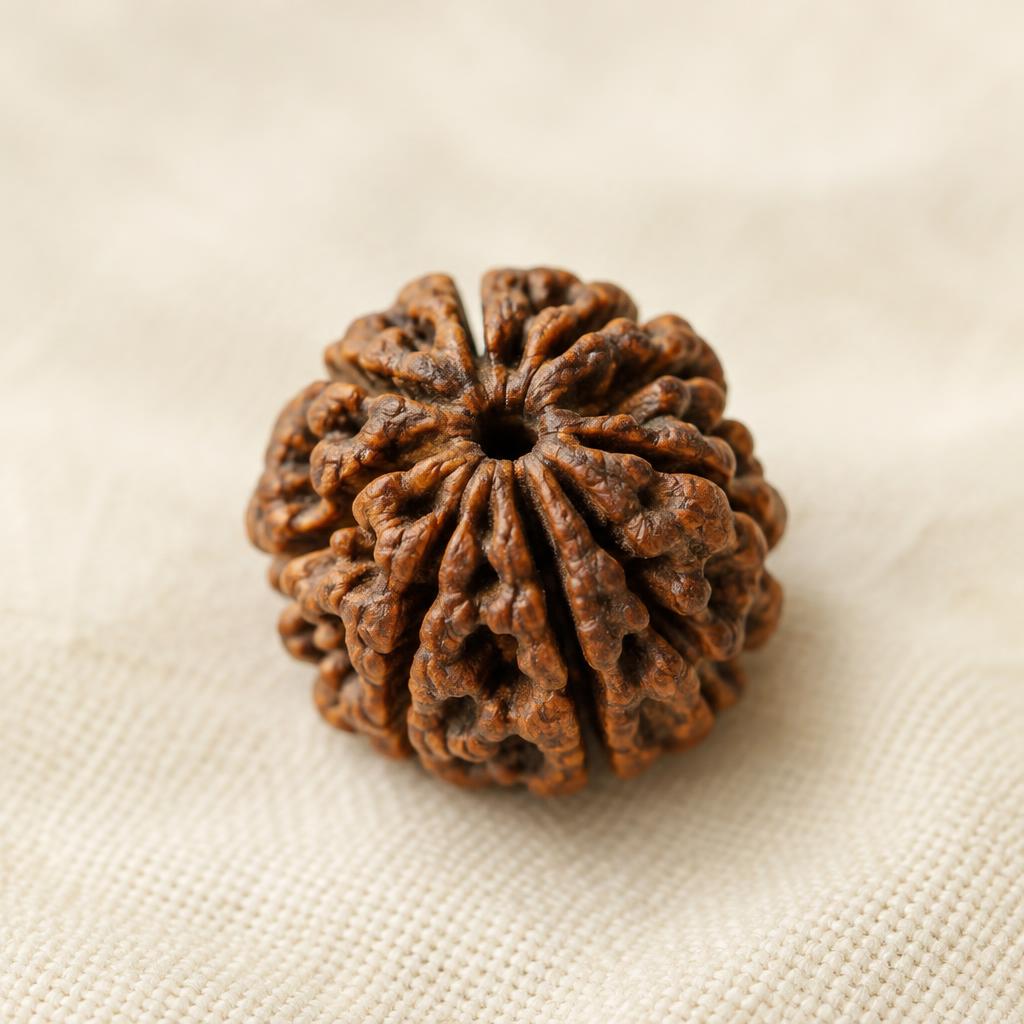 6 MukhiRepresentative image
6 Mukhi Rudraksha
Nepal origin · 17mm – 22mm
Traditionally associated with discipline and steadiness.
₹879
Keep reading
How to Choose the Right Rudraksha: A Practical Guide for Beginners
A step-by-step guide to choosing the right Rudraksha by purpose, Mukhi, size, origin and budget — without pressure or false promises.
How to Identify an Original Rudraksha: Authenticity Checks That Actually Help
Learn practical ways to check if a Rudraksha is original — natural Mukhi lines, origin, X-ray reports and seller transparency — and why popular 'tests' mislead.
Nepal vs Indonesian Rudraksha: Differences in Size, Lines and Price
Compare Nepali and Indonesian (Java) Rudraksha by size, Mukhi clarity, weight, price and use — and learn how to choose the right origin for you.