
Nepal vs Indonesian Rudraksha: Differences in Size, Lines and Price
Rudraksha Advisor team · 6 min read
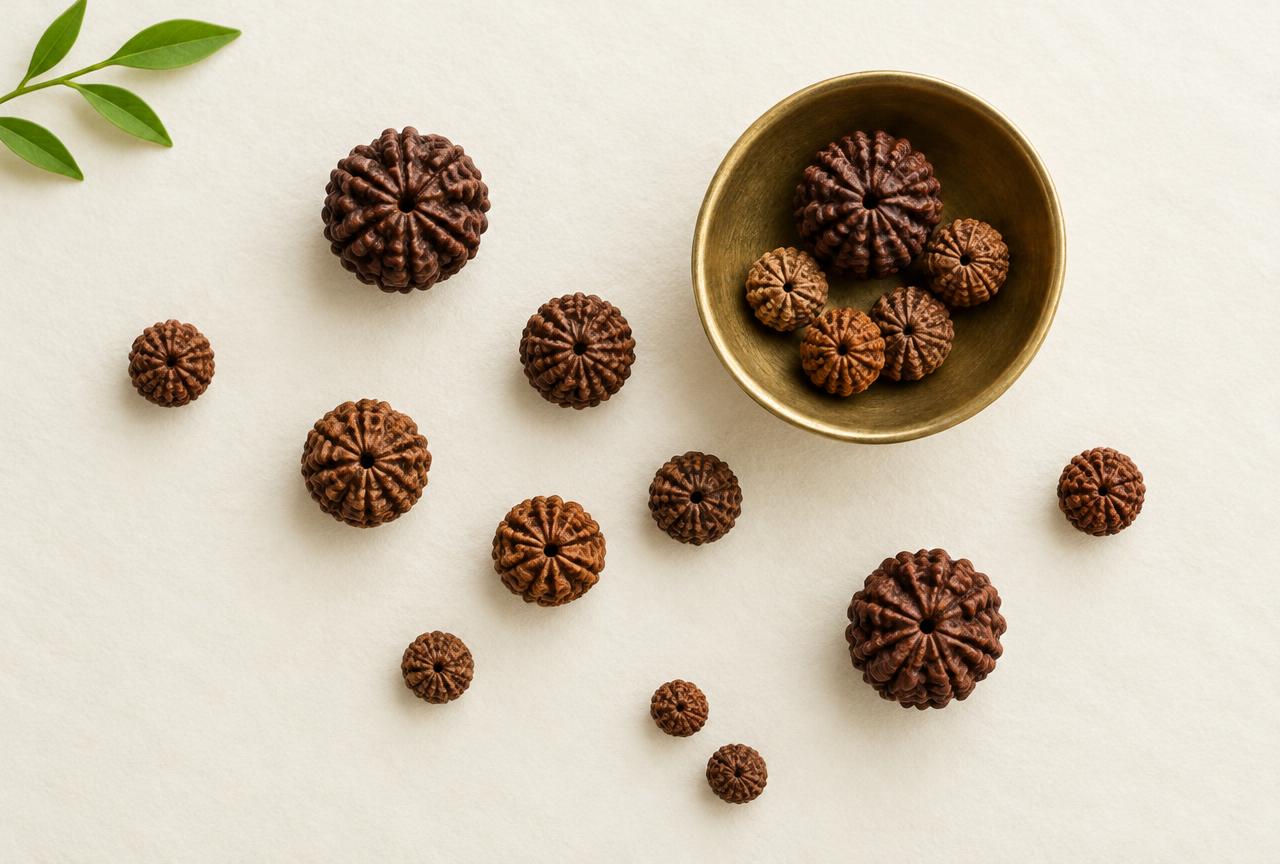
When you start looking at Rudraksha, you quickly notice two main origins: Nepal and Indonesia (often called Java Rudraksha). The same Mukhi can look very different — and cost very different amounts — depending on where it grew. Some sellers present one origin as superior in every way. The reality is more balanced. This article compares the two so you can choose based on facts and your own needs.
Where Rudraksha grows
Rudraksha comes from the Elaeocarpus tree, which grows in parts of the Himalayan foothills, South-East Asia and some regions of India. Nepal's eastern hills are traditionally the best-known source of large beads. Indonesia, particularly the islands of Java and Sumatra, produces very large quantities of smaller beads. India also has Rudraksha trees in regions such as the Himalayan belt and parts of the South, although supply is smaller.
Size and weight
Nepali beads are typically larger, commonly between about 18 and 30 mm for many Mukhi, and feel heavier and more substantial in the hand. Indonesian beads are usually much smaller, often between about 5 and 15 mm, and are lighter. This makes Indonesian beads very comfortable for malas, bracelets and everyday wear, while Nepali beads are often worn as a single statement pendant.
Clarity of Mukhi lines
Nepali beads usually have deep, clearly defined lines and prominent surface protrusions, which makes the Mukhi easier to count. Indonesian beads have finer, shallower lines and a smoother surface. Because the lines are subtle, counting them on an Indonesian bead requires good light and care, and it is easier for mistakes or misrepresentation to go unnoticed. Clear photos and, for higher Mukhi, an X-ray report are especially helpful.
Price differences
For lower Mukhi such as 5, both origins are affordable. For higher Mukhi, Nepali beads are generally priced well above Indonesian beads of the same Mukhi, mainly because large Nepali beads with high Mukhi are scarcer and in high demand. For some very high Mukhi, Indonesian beads may be the only realistically available option for many buyers.
Does origin change the traditional significance?
In most traditional texts and teachings, the significance of a Rudraksha is linked to its Mukhi and to the sincerity of the wearer, not to the country it came from. Many teachers and practitioners wear Indonesian malas daily. Others prefer Nepali beads for personal or family reasons. Both preferences are respected. What matters most is that the bead is genuine and that you understand what you are buying.
Quick comparison
Here is a simple summary to help you compare:
- Nepal: larger and heavier, deep clear lines, higher price for higher Mukhi, popular as single pendants.
- Indonesia: smaller and lighter, fine lines, more affordable for higher Mukhi, popular for malas and bracelets.
- India: limited supply, half-moon 1 Mukhi is a well-known Indian form; availability varies.
How to decide
Ask yourself how you plan to wear the bead. If you want a single, visible pendant and your budget allows, a Nepali bead may suit you. If you want a lightweight mala, a bracelet, or a higher Mukhi within a moderate budget, an Indonesian bead is a sensible choice. If you are combining several beads, a mix of origins is also possible — though some people prefer a consistent look.
Whichever origin you choose, insist on clear photos of the actual bead, its size in millimetres and honest origin information.
Getting help
If you are not sure which origin fits your purpose and budget, you can ask us during a consultation. We explain the options openly, including the trade-offs, so that you make an informed decision. Our collection lists the origin and size for each bead, and you can always ask on WhatsApp for more photos before deciding.
Frequently asked questions
Is Nepali Rudraksha more powerful than Indonesian?
Traditional teachings generally link a bead's significance to its Mukhi and to the wearer's sincerity, not to the country of origin. Nepali beads are larger and have clearer lines, which many people prefer, but Indonesian beads are genuine Rudraksha and are worn daily by many practitioners and teachers.
Why are Indonesian beads so much smaller?
The Elaeocarpus trees that grow in Indonesia naturally produce smaller fruit and seeds than those found in the eastern hills of Nepal. Climate, soil and species variety all play a part. The smaller size is not a sign of lower quality; it is simply a natural difference.
How can I tell the origin of a bead?
Experienced eyes can usually distinguish them by size, surface texture and depth of lines, but there is overlap. The most reliable approach is to buy from a seller who states the origin clearly and can explain how they source their beads, with lab documentation for valuable pieces.
Can I mix Nepali and Indonesian beads in one mala or combination?
Yes. Some people combine a larger Nepali bead as a central pendant with smaller Indonesian beads for comfort or budget reasons. There is no traditional rule that prohibits mixing origins; it is mostly a matter of appearance and personal preference.
This article describes traditional beliefs for educational purposes. Rudraksha is not a substitute for medical, legal or financial advice, and no outcome is guaranteed.
Beads mentioned in this article
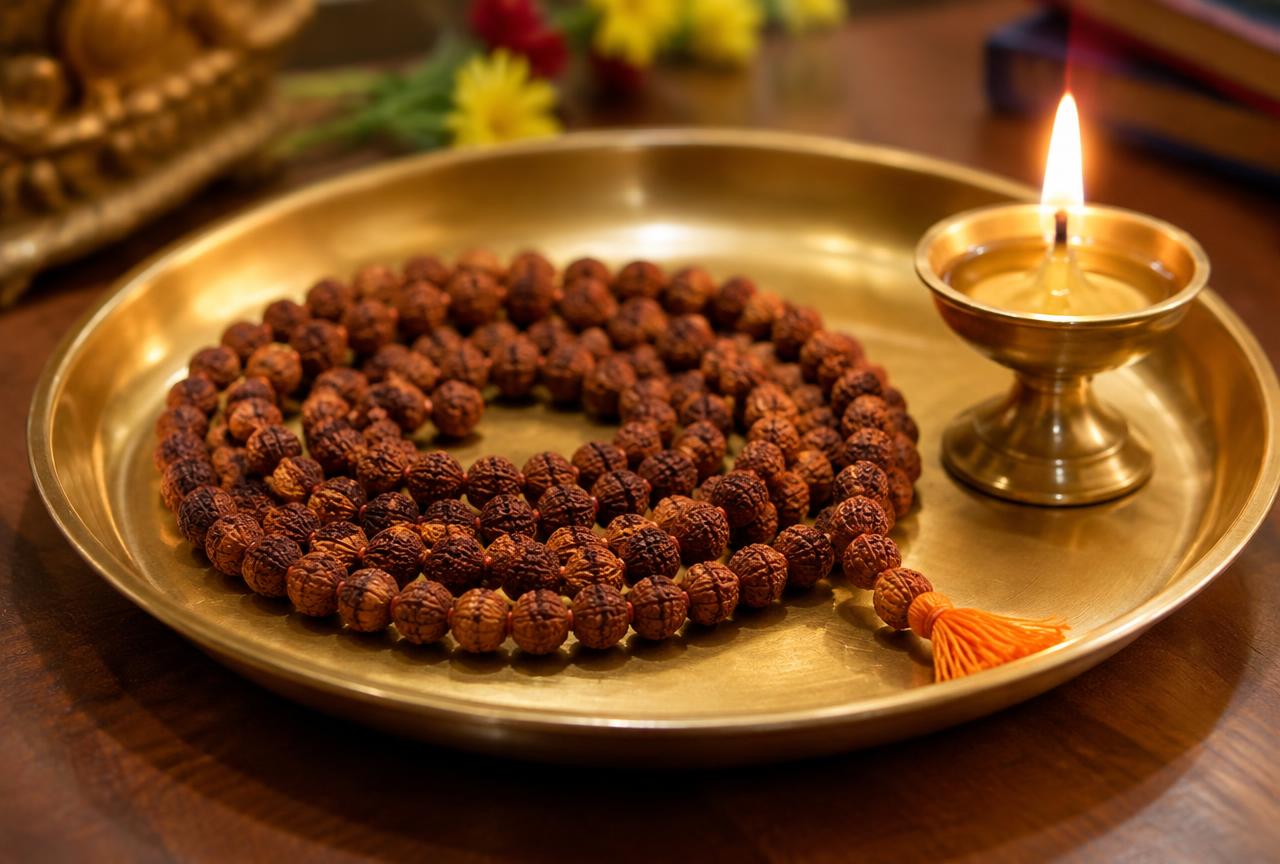 5 MukhiRepresentative image
5 Mukhi Rudraksha
Nepal origin · 17mm – 22mm
Traditionally associated with general wellbeing and daily practice and japa.
₹769
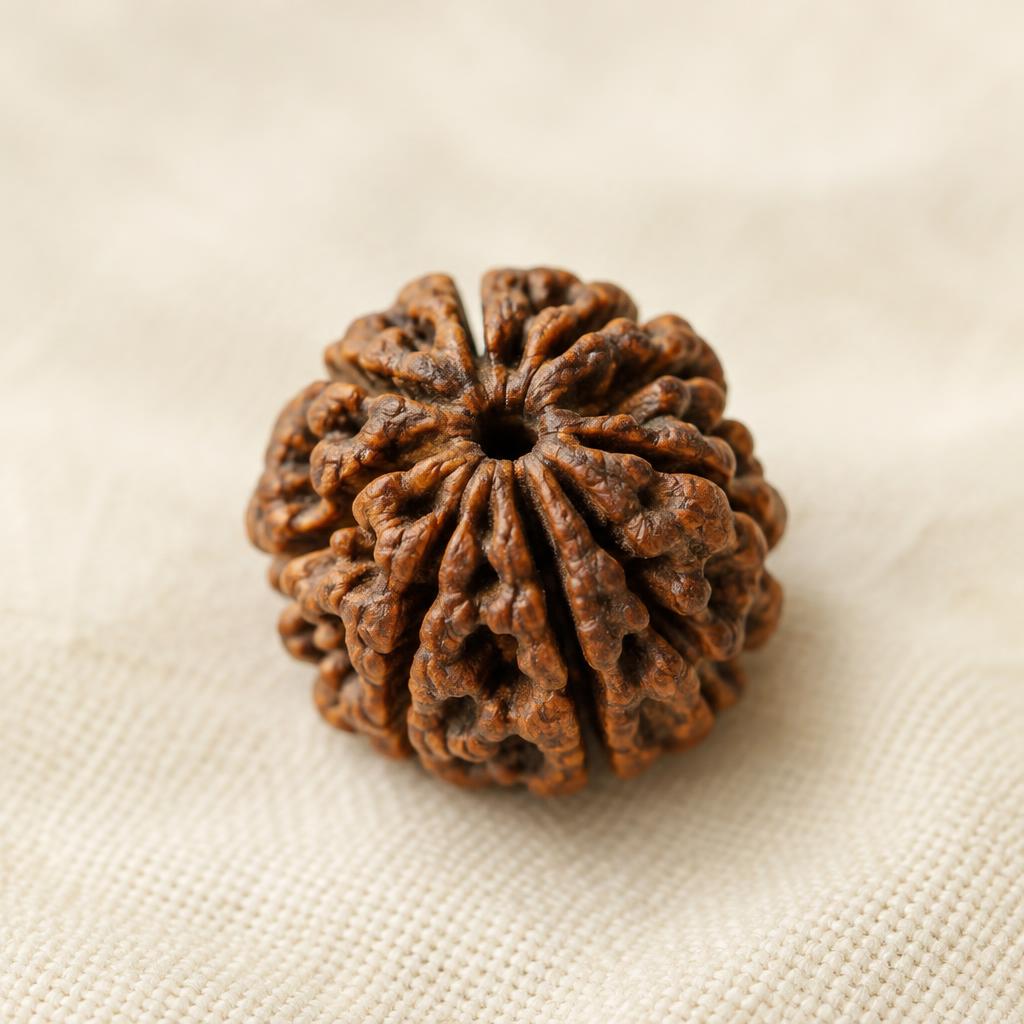 6 MukhiRepresentative image
6 Mukhi Rudraksha
Nepal origin · 17mm – 22mm
Traditionally associated with discipline and steadiness.
₹879
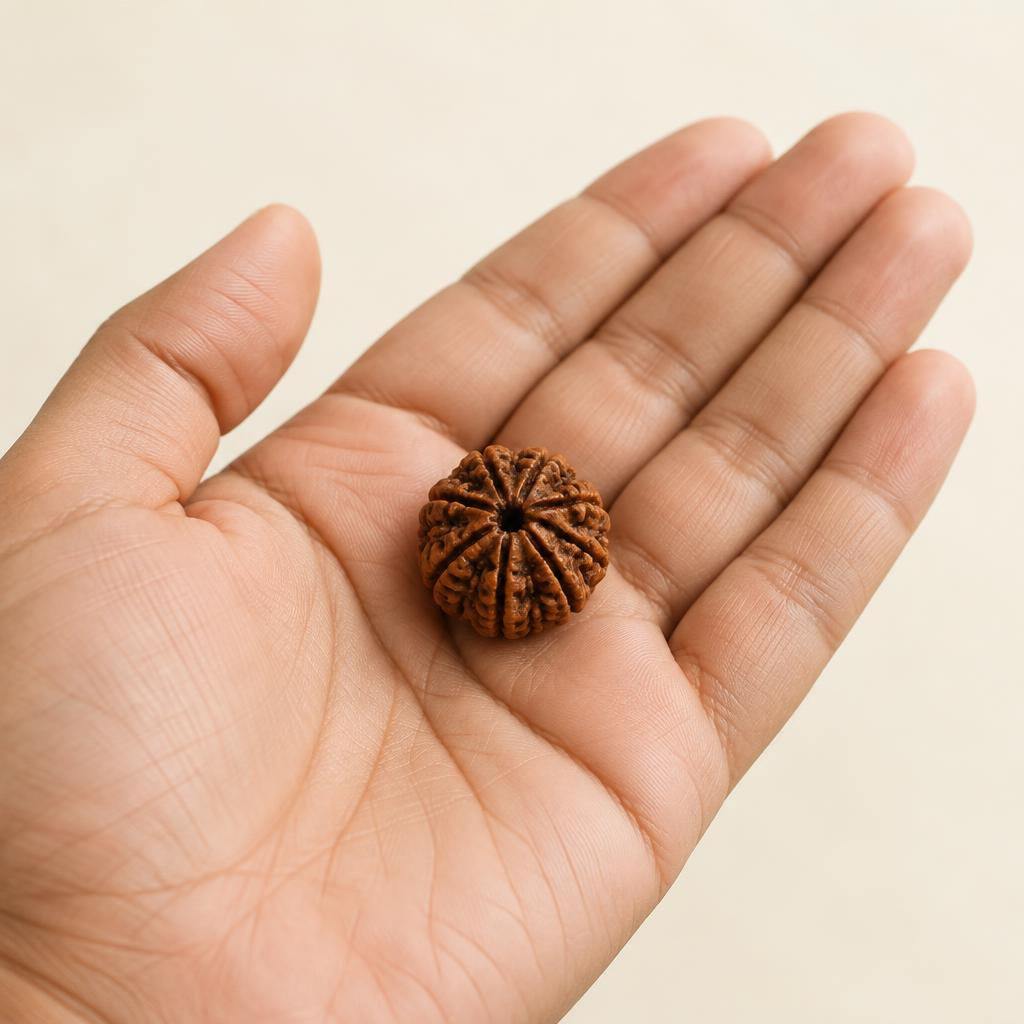 8 MukhiRepresentative image
8 Mukhi Rudraksha
Nepal origin · 17mm – 22mm
Traditionally associated with new ventures and overcoming obstacles.
₹7,699
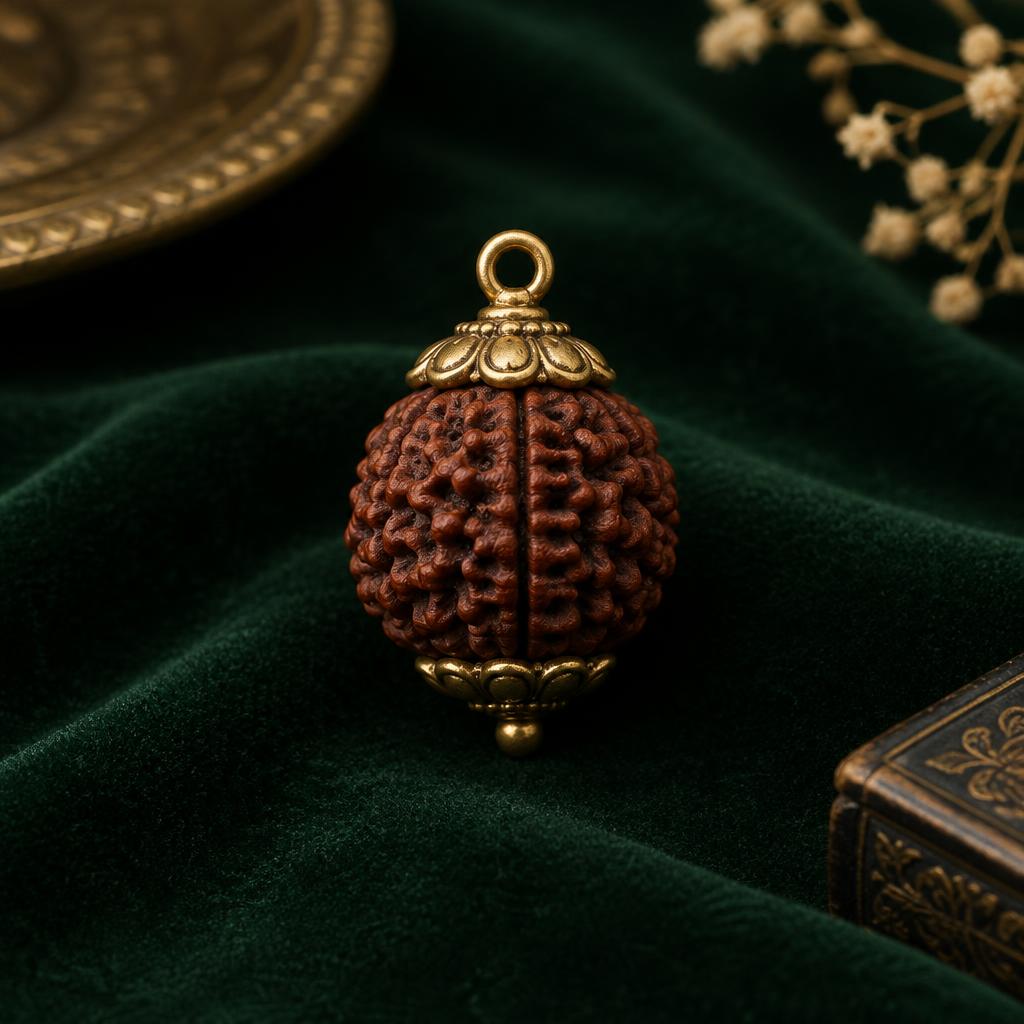 13 MukhiRepresentative image
13 Mukhi Rudraksha
Nepal origin · 17mm – 22mm
Traditionally associated with personal presence and relationships.
₹16,499
Keep reading
How to Choose the Right Rudraksha: A Practical Guide for Beginners
A step-by-step guide to choosing the right Rudraksha by purpose, Mukhi, size, origin and budget — without pressure or false promises.
How to Identify an Original Rudraksha: Authenticity Checks That Actually Help
Learn practical ways to check if a Rudraksha is original — natural Mukhi lines, origin, X-ray reports and seller transparency — and why popular 'tests' mislead.
5 Mukhi Rudraksha: Meaning, Benefits in Tradition and How to Wear It
Everything about 5 Mukhi (Five Mukhi) Rudraksha — its traditional meaning, who wears it, mala use, how to choose a genuine bead and wearing guidelines.