
How to Choose the Right Rudraksha: A Practical Guide for Beginners
Rudraksha Advisor team · 6 min read
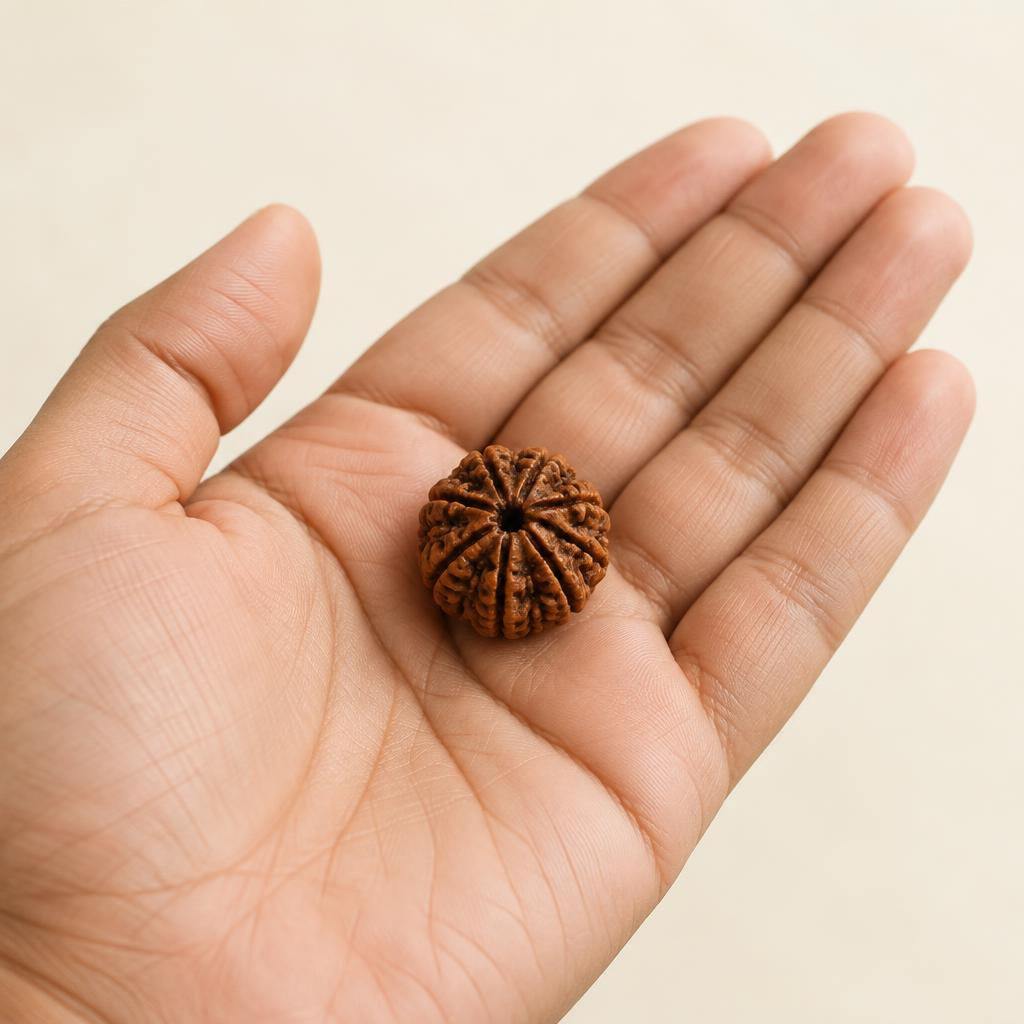
Many people begin their Rudraksha journey after hearing about it from a family elder, a priest, a friend or social media. The next question is almost always the same: which Rudraksha is right for me? With beads ranging from 1 to 21 Mukhi, different origins, sizes and prices that run from a few hundred rupees to several lakhs, the choice can feel overwhelming. This guide explains, in plain language, how to think about the decision calmly and sensibly, so that you choose a bead for the right reasons and at a budget that suits you.
Start with your purpose, not the price tag
In traditional practice, each Mukhi (the natural vertical lines on the bead's surface) is associated with a particular deity and a set of qualities. A 5 Mukhi bead, for example, is traditionally linked with Kalagni Rudra and general wellbeing, while a 7 Mukhi bead is associated with Goddess Mahalakshmi and themes of prosperity and steadiness. Before you look at any bead, write down in one or two sentences why you want to wear Rudraksha.
Is it for daily prayer and japa? For a feeling of calm during a stressful period at work? For focus during studies? For a spiritual practice you are deepening? Or simply because it is part of your family tradition? Your answer narrows the options far more effectively than browsing a catalogue. It also protects you from being sold an expensive bead you do not need.
Understand what a Mukhi actually is
A Mukhi is a natural cleft or line that runs from the top of the bead to the bottom. The number of these lines gives the bead its name: a bead with five lines is a 5 Mukhi, a bead with eleven lines is an 11 Mukhi, and so on. The lines must be natural and continuous. Artificially carved or joined lines are a common form of misrepresentation, which is why examining the bead (or its clear photographs) before buying is so important.
Lower Mukhi beads such as 3, 4, 5 and 6 are produced in large numbers and are therefore widely available and affordable. Higher Mukhi beads such as 14 and above occur rarely in nature, which is the main reason they are priced much higher. Rarity is not the same as suitability. A common 5 Mukhi worn with sincerity is, in tradition, considered just as meaningful as a rare bead.
A simple framework for choosing
When our team reviews a consultation request, we generally think through the following points in order:
- Purpose: what you hope Rudraksha will support in your life, described in your own words.
- Tradition and practice: whether you follow a particular sampradaya, guru or family custom that already recommends certain beads.
- Daily routine: whether you will wear the bead all day, only during prayer, or keep it on your altar.
- Budget: a comfortable amount you are willing to spend without strain.
- Authenticity: whether the seller can share origin information, clear photos and, where relevant, a lab report.
- Astrological input: optional. Some people prefer a Kundli-informed suggestion; others do not. Both are valid.
Size, origin and condition
Rudraksha beads mainly come from Nepal and Indonesia, with smaller quantities from India. Nepali beads tend to be larger with deeper, more clearly defined lines. Indonesian beads are usually smaller, lighter and smoother, which makes them popular for malas and for people who prefer something discreet. Neither is 'better' in every situation — the right choice depends on how you plan to wear the bead and what you can comfortably afford.
Size is measured in millimetres. Larger beads of the same Mukhi usually cost more. If you will wear the bead daily on a thread or chain, a medium size is often more comfortable than a very large one. Check that the bead has no cracks, insect holes or damage, and that the central hole is natural and clean.
Single bead, combination or mala?
Beginners often start with a single bead worn as a pendant or on the wrist. Others prefer a mala of 108 + 1 beads for japa, usually made of 5 Mukhi beads. Combinations — for example a 3, 4 and 5 Mukhi together — are also common in some traditions. More beads are not automatically better. A thoughtful single bead is often the most practical starting point, and you can add to it later if you feel drawn to.
Questions to ask before you buy
Whether you buy from us or anyone else, these questions help you make a confident decision:
- Can you share clear photographs of the exact bead I will receive, from all sides?
- What is the origin, and how is that information known?
- What is the size in millimetres and the weight?
- Is a laboratory or authenticity report available for this bead?
- What is your return or replacement policy if the bead differs from the description?
Avoid common mistakes
The most common mistake is buying in a hurry because of fear or urgency — for example, being told that a problem will become worse unless you buy a particular expensive bead today. Genuine guidance does not work through fear. Rudraksha is a spiritual and traditional object, not a guaranteed solution to health, legal or financial problems, and it should never replace professional medical, legal or financial advice.
Another mistake is choosing purely on the highest Mukhi you can afford. A rare bead may not suit your purpose or routine, and it may put unnecessary strain on your finances. Finally, avoid sellers who cannot or will not show the actual bead.
How a consultation can help
If you still feel unsure, a short one-to-one consultation can make the decision easier. At Rudraksha Advisor, you share your concern, situation and budget through our consultation form or on WhatsApp. Our team reviews it and contacts you to discuss suitable options. There is no pressure to buy, and every recommendation is explained so that you understand why a particular bead is being suggested.
The right Rudraksha is the one you understand, can afford comfortably and will wear with intention. Start with your purpose, learn the basics of Mukhi and authenticity, ask good questions, and take your time.
Frequently asked questions
Which Rudraksha is best for a beginner?
Most beginners start with a 5 Mukhi bead. It is widely available, affordable and traditionally considered suitable for almost everyone. Once you have worn it for some time and understand your own practice better, you can decide whether another Mukhi would suit a specific purpose.
Do I need my Kundli to choose a Rudraksha?
No. Many people choose Rudraksha based on purpose and tradition alone. A Kundli-informed suggestion is an optional approach that some customers prefer. If you would like one, you can share birth details in our consultation form; if not, simply leave that section blank.
This article describes traditional beliefs for educational purposes. Rudraksha is not a substitute for medical, legal or financial advice, and no outcome is guaranteed.
Beads mentioned in this article
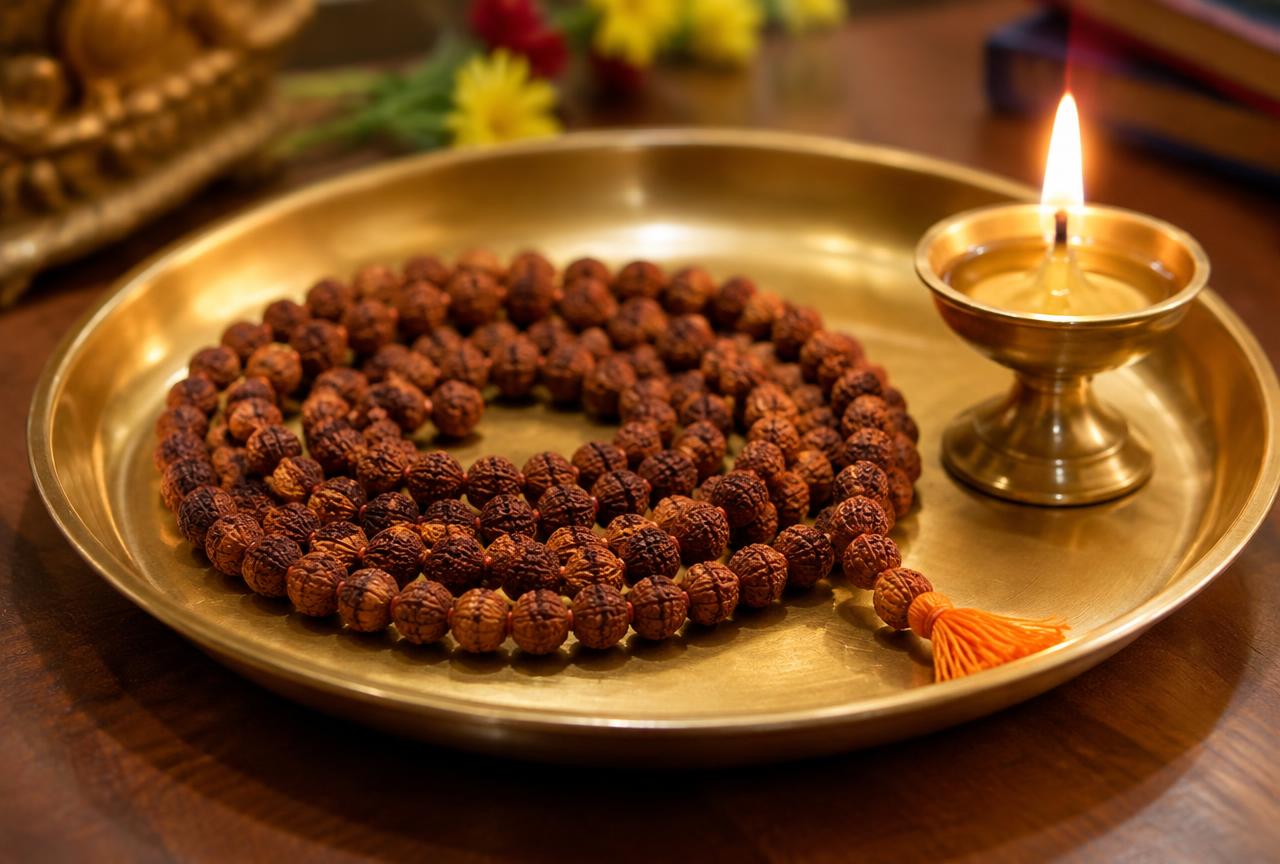 5 MukhiRepresentative image
5 Mukhi Rudraksha
Nepal origin · 17mm – 22mm
Traditionally associated with general wellbeing and daily practice and japa.
₹769
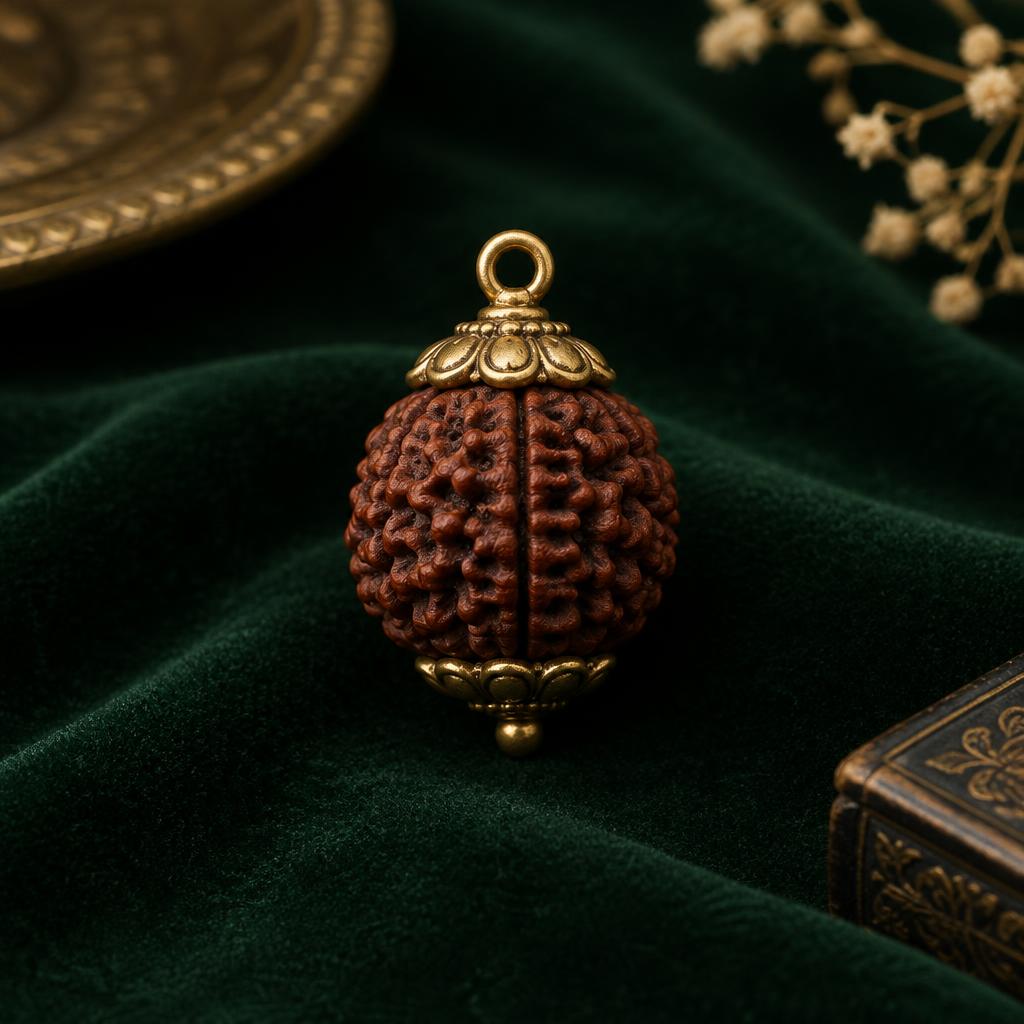 7 MukhiRepresentative image
7 Mukhi Rudraksha
Nepal origin · 17mm – 22mm
Traditionally associated with financial discipline and prosperity traditions.
₹1,429
11 MukhiRepresentative image11 Mukhi Rudraksha
Nepal origin · 17mm – 22mm
Traditionally associated with fearlessness and devotion.
₹13,199
14 MukhiRepresentative image14 Mukhi Rudraksha
Nepal origin · 17mm – 22mm
Traditionally associated with intuition and judgement and spiritual protection traditions.
₹72,599
Keep reading
How to Identify an Original Rudraksha: Authenticity Checks That Actually Help
Learn practical ways to check if a Rudraksha is original — natural Mukhi lines, origin, X-ray reports and seller transparency — and why popular 'tests' mislead.
Nepal vs Indonesian Rudraksha: Differences in Size, Lines and Price
Compare Nepali and Indonesian (Java) Rudraksha by size, Mukhi clarity, weight, price and use — and learn how to choose the right origin for you.
5 Mukhi Rudraksha: Meaning, Benefits in Tradition and How to Wear It
Everything about 5 Mukhi (Five Mukhi) Rudraksha — its traditional meaning, who wears it, mala use, how to choose a genuine bead and wearing guidelines.