
How to Wear Rudraksha: Traditional Rules, Days, Mantras and Practical Tips
Rudraksha Advisor team · 6 min read
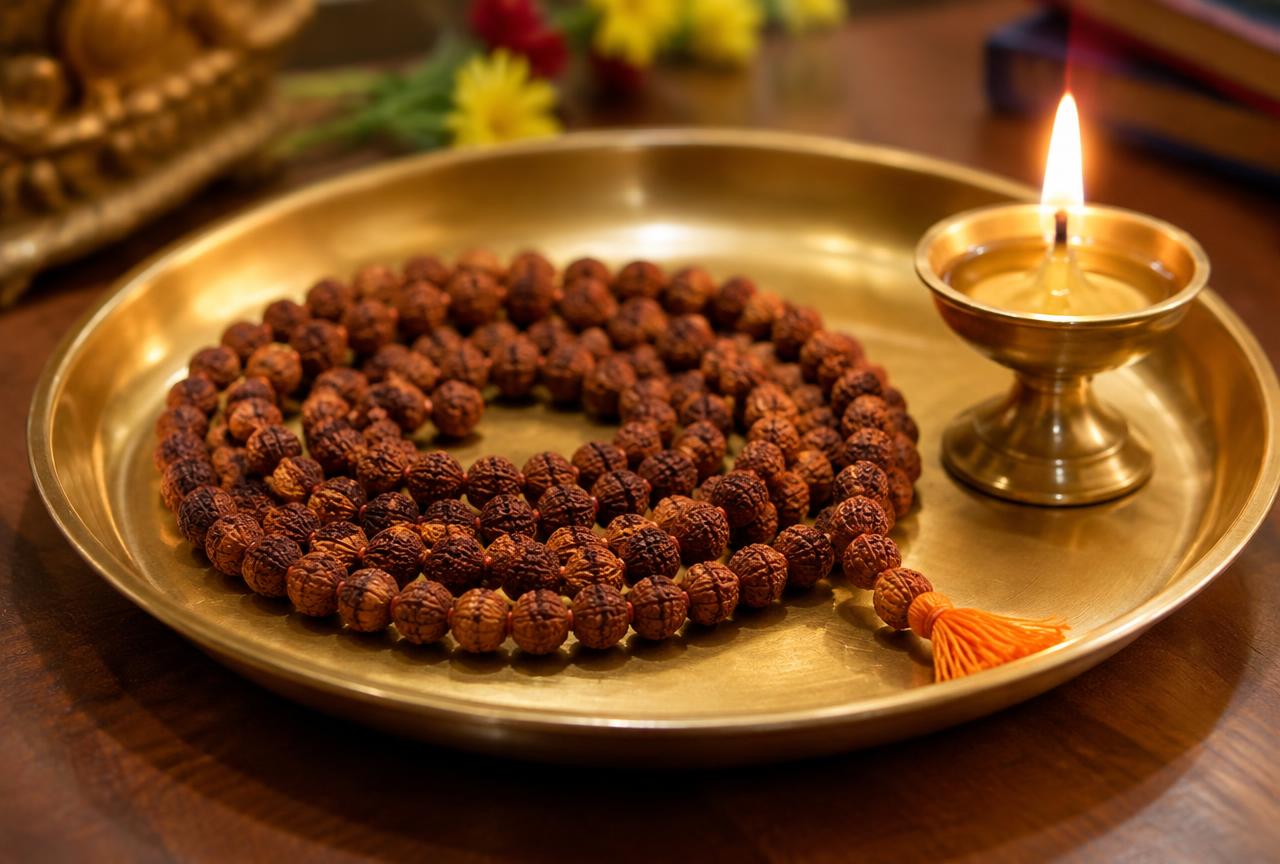
Once you have chosen a Rudraksha, the next question is how to wear it. You may hear many different rules from family, friends and online videos, and some of them contradict each other. This is because Rudraksha practice varies between regions, families and spiritual lineages. This article summarises the most commonly followed traditional guidelines, along with practical tips, so you can wear your bead with confidence and respect.
Begin with intention
Most traditions agree that the attitude of the wearer matters more than any single rule. Before wearing the bead for the first time, take a few quiet moments to reflect on why you are wearing it. If you have a guru or a family tradition, their guidance should come first.
Purifying a new bead
A common practice is to wash the new bead gently in clean water, and in some homes in raw milk or Ganga jal, then dry it with a soft cloth. Some people keep the bead in their puja room overnight before wearing it. A small amount of natural oil, such as sandalwood or sesame oil, may be applied lightly to nourish the bead. Avoid soaking the bead for long periods or using strong chemicals.
Choosing a day and time
Monday, associated with Lord Shiva, is widely considered auspicious for wearing Rudraksha for the first time. Festivals such as Maha Shivaratri and the month of Shravan are also popular. Early morning, after bathing, is the most commonly suggested time. If you follow astrology, an astrologer may suggest a specific muhurat, but this is optional.
Mantras
The simplest and most universal mantra is 'Om Namah Shivaya'. Many people chant it 9, 11, 21 or 108 times before wearing the bead. Traditional texts also mention specific mantras for each Mukhi; for example, 'Om Hreem Namah' is often associated with 5 Mukhi. If you are unsure, 'Om Namah Shivaya' is widely accepted for all Rudraksha.
Thread, silver or gold?
Rudraksha can be worn on a cotton or silk thread (red, black or yellow are common), or capped in silver, gold or copper. Thread is traditional and inexpensive but needs replacing periodically. Metal capping protects the bead and gives a finished look. Make sure the capping does not damage or cover the Mukhi lines, and that the bead is not glued in a way that hides its surface.
Where to wear it
Rudraksha is commonly worn around the neck so that the bead rests near the heart, or on the right wrist as a bracelet. Malas used for japa are often kept separately from beads worn on the body, though practices vary. Some people keep higher Mukhi beads on their altar instead of wearing them.
Common do's and don'ts
These are widely followed traditional guidelines. Families and lineages may differ:
- Do keep the bead clean and dry it after contact with water.
- Do treat the bead with respect; store it in a clean place when not worn.
- Many people remove Rudraksha before sleeping, while bathing with soap, or during certain occasions such as funerals; others do not. Follow your tradition.
- Avoid sharing a bead you wear personally with others.
- Avoid exposing the bead to perfume, harsh soap or chemicals.
Can women wear Rudraksha?
Yes. In most contemporary teachings, Rudraksha can be worn by anyone regardless of gender, age or background. Some families have customs about wearing during menstruation; these are personal and traditional choices, and many teachers today do not consider it a restriction. Choose what feels respectful to you.
A note on expectations
Rudraksha is a spiritual and traditional practice. It should never replace medical treatment, professional advice or practical effort. Wear your bead as a reminder of your intentions and values. If you would like personalised guidance on which bead to wear and how, our team is happy to help during a consultation or on WhatsApp.
Frequently asked questions
Can I wear Rudraksha while sleeping?
Practices differ. Some traditions suggest removing the bead before sleep and placing it in a clean spot, partly to protect it from damage. Others wear it continuously. Follow your family or guru's custom; if you have none, removing it at night is a simple, respectful habit.
Can I wear Rudraksha with other gemstones?
Many people wear Rudraksha alongside gemstones, and there is generally no traditional objection. If you follow astrology closely and are wearing gemstones on an astrologer's advice, you may wish to discuss the combination with them.
Do I need a priest to energise the bead?
Not necessarily. Many people simply wash the bead, chant 'Om Namah Shivaya' and wear it with sincere intention. Some families prefer a priest to perform a short puja, which is equally valid. The choice depends on your tradition and comfort.
Is it okay to wear Rudraksha in the shower?
Water itself does not harm the bead, but soaps, shampoos and repeated wetting can dry it out or damage it over time. Many people remove their bead before bathing. If you keep it on, rinse it with clean water and dry it afterwards.
This article describes traditional beliefs for educational purposes. Rudraksha is not a substitute for medical, legal or financial advice, and no outcome is guaranteed.
Beads mentioned in this article
5 MukhiRepresentative image5 Mukhi Rudraksha
Nepal origin · 17mm – 22mm
Traditionally associated with general wellbeing and daily practice and japa.
₹769
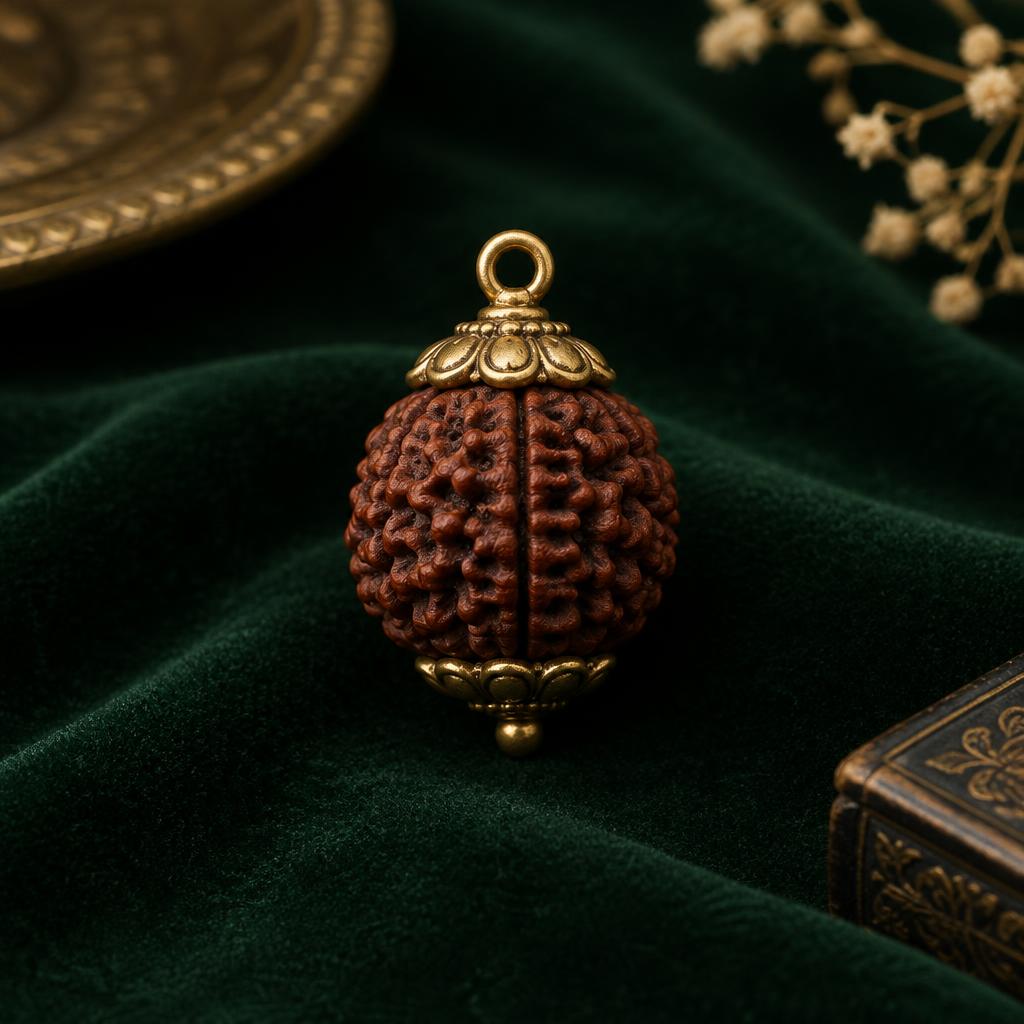 1 MukhiRepresentative image
1 Mukhi Rudraksha (Half-moon)
Indian origin · Half-moon shape
Traditionally associated with focus and meditation and spiritual aspiration.
₹7,600
11 MukhiRepresentative image11 Mukhi Rudraksha
Nepal origin · 17mm – 22mm
Traditionally associated with fearlessness and devotion.
₹13,199
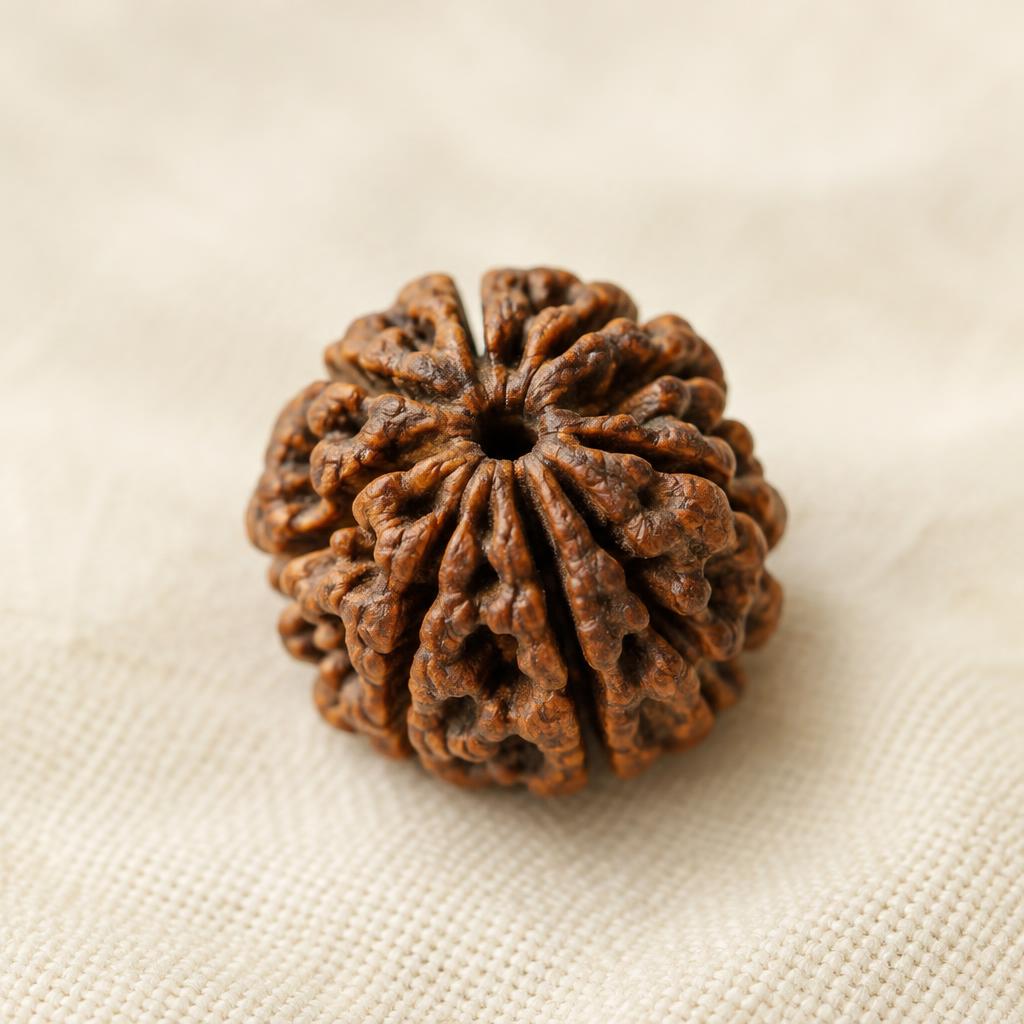 12 MukhiRepresentative image
12 Mukhi Rudraksha
Nepal origin · 17mm – 22mm
Traditionally associated with leadership and public life.
₹12,649
Keep reading
How to Choose the Right Rudraksha: A Practical Guide for Beginners
A step-by-step guide to choosing the right Rudraksha by purpose, Mukhi, size, origin and budget — without pressure or false promises.
How to Identify an Original Rudraksha: Authenticity Checks That Actually Help
Learn practical ways to check if a Rudraksha is original — natural Mukhi lines, origin, X-ray reports and seller transparency — and why popular 'tests' mislead.
Nepal vs Indonesian Rudraksha: Differences in Size, Lines and Price
Compare Nepali and Indonesian (Java) Rudraksha by size, Mukhi clarity, weight, price and use — and learn how to choose the right origin for you.