
How to Identify an Original Rudraksha: Authenticity Checks That Actually Help
Rudraksha Advisor team · 6 min read
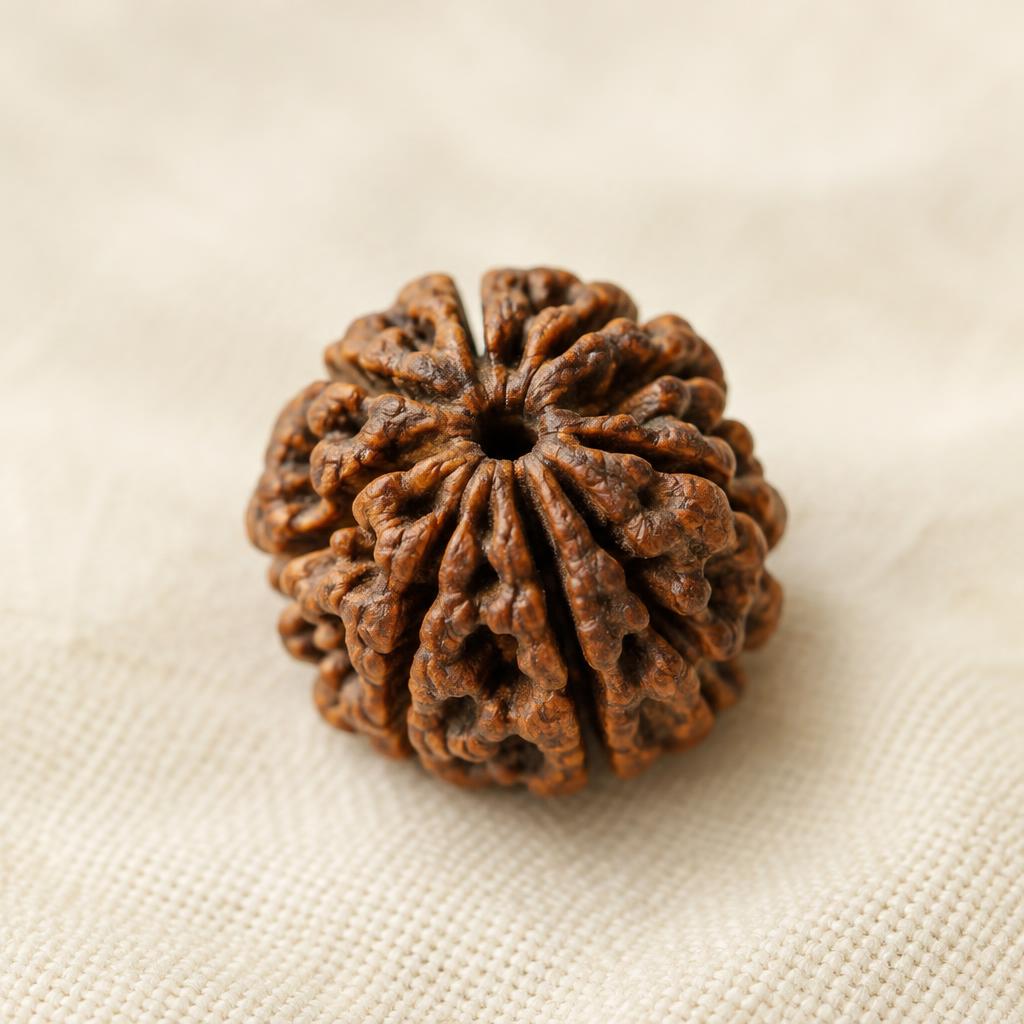
As interest in Rudraksha has grown, so has the number of imitation and altered beads in the market. Wooden or plastic replicas, beads with carved extra lines, two beads glued together to look like a rare Gauri Shankar, and lower Mukhi beads sold as higher ones are all reported problems. The good news is that a few sensible checks — and a transparent seller — can protect you from most of these issues. This article explains what genuinely helps and which popular 'tests' you should not rely on.
Why authenticity matters
Authenticity is not only about money, although price differences between Mukhi can be very large. For people who wear Rudraksha as part of their faith, wearing a genuine bead matters personally. An altered bead also undermines trust between buyer and seller. That is why we treat authenticity as a core part of every consultation rather than an afterthought.
Check the Mukhi lines closely
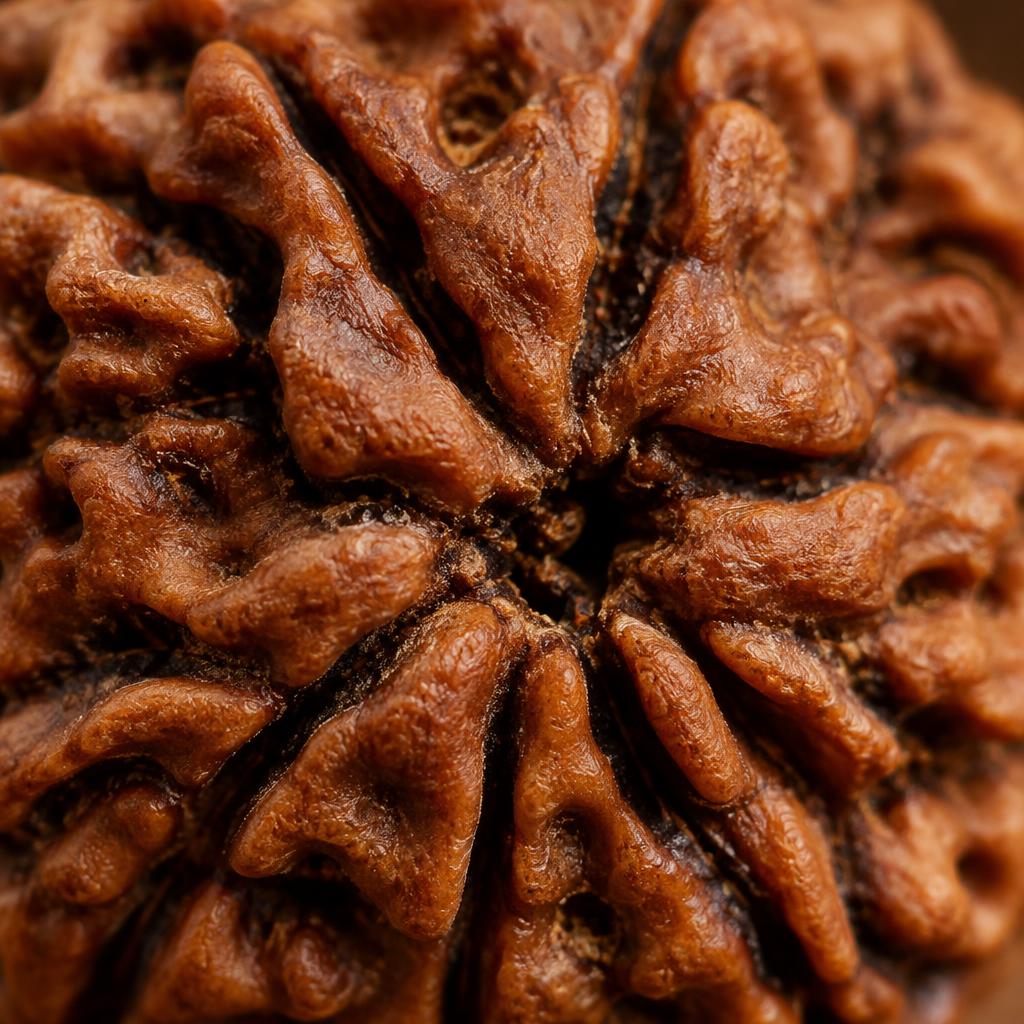
Genuine Mukhi lines are natural clefts that run continuously from the top (where the bead was attached to the tree) to the bottom. They follow the natural curve of the bead and are usually slightly uneven, as you would expect from something grown rather than made. Carved lines often look too straight, too sharp-edged or too evenly spaced. Under good light or a magnifying glass, carved lines may show tool marks or a different colour inside the groove.
Count the lines carefully from several angles. On higher Mukhi beads, lines can be close together and easy to miscount, so ask the seller to mark or photograph each line if needed.
Look at the surface and the hole
A natural bead has raised, irregular bumps (often called 'thorns' or protrusions) between the lines. Replicas made from moulds may have repeating patterns or an unnaturally smooth or uniform finish. The central hole should be natural or neatly drilled along the bead's natural channel. Look for cracks, filled areas, glue lines or colour that rubs off — some beads are dyed or polished to look older or darker.
Popular 'tests' that are not reliable
You may have heard that a real Rudraksha sinks in water, rotates between two coins, or releases no colour in boiling water. These home tests are not reliable. Density varies naturally, so some genuine beads float and some fakes sink. The copper coin rotation is influenced by how the bead is held. Boiling can damage a genuine bead. Relying on these tests can lead you to reject a real bead or accept a fake one.
X-ray and laboratory reports
The most dependable method for higher-value beads is an X-ray or CT examination by a recognised gemological or Rudraksha testing lab. Inside a genuine Rudraksha, each Mukhi normally corresponds to an internal seed compartment. An X-ray can show the number of compartments and reveal hidden joints, fillers or carving. For a 1, 14 or higher Mukhi, or for a Gauri Shankar or Ganesh bead, it is reasonable to ask for such a report.
Remember that a report is only as good as the lab that issues it. Ask for the lab name, check that the report number can be verified, and confirm that the photos on the report match the bead you are receiving.
Seller transparency checklist
A trustworthy seller should be comfortable answering these questions:
- Will you send photos and a short video of the exact bead, not a stock image?
- What is the origin (Nepal, Indonesia, India) and size in millimetres?
- Is there a lab report for this bead, and from which lab?
- What happens if an independent lab finds a problem?
- Do you have a clear contact address and phone number?
Price as a warning sign
If a rare bead is offered at a fraction of the usual market price, be cautious. A genuine 14 Mukhi Nepali bead, for example, cannot normally be sold at the price of a 5 Mukhi. Equally, a very high price does not prove authenticity. Price should be one signal among several, not the only one.
How we approach authenticity
At Rudraksha Advisor, we prefer to explain each bead openly: Mukhi count, origin, size and condition, with photos on request before purchase. During a consultation we also help customers who already own a bead understand what to look for, and when an independent lab report would be worthwhile. If you have a bead you are unsure about, you can send clear photos on WhatsApp and ask our team for guidance.
Authenticity is ultimately about honesty and evidence. Look closely, ask questions, prefer documentation for valuable beads, and buy from someone who is happy to show you exactly what you are getting.
Frequently asked questions
Does a real Rudraksha always sink in water?
No. The water test is a popular myth. The density of natural beads varies with age, moisture and size, so some genuine beads float and some fake or filled beads sink. It should never be used as proof of authenticity on its own.
Is an X-ray report necessary for every bead?
Not for common beads such as 5 Mukhi, where the cost of testing may exceed the value of the bead. For rare beads — 1 Mukhi, 14 Mukhi and above, Gauri Shankar or Ganesh beads — an X-ray or lab report from a recognised laboratory is strongly recommended.
Can a seller add extra lines to a bead?
Yes, this is one of the most common forms of misrepresentation. Lines can be carved into a lower Mukhi bead to make it appear higher. Natural lines follow the bead's curve and look slightly irregular, while carved lines often look too straight or sharp. An X-ray shows whether the internal compartments match the visible lines.
What should I do if I suspect my bead is fake?
Stop worrying and gather evidence first: take clear photos from every side in daylight, note the size and weight, and ask the seller for origin details and any report. You can also send the photos to our team on WhatsApp for a free opinion, or take the bead to an independent testing laboratory.
This article describes traditional beliefs for educational purposes. Rudraksha is not a substitute for medical, legal or financial advice, and no outcome is guaranteed.
Beads mentioned in this article
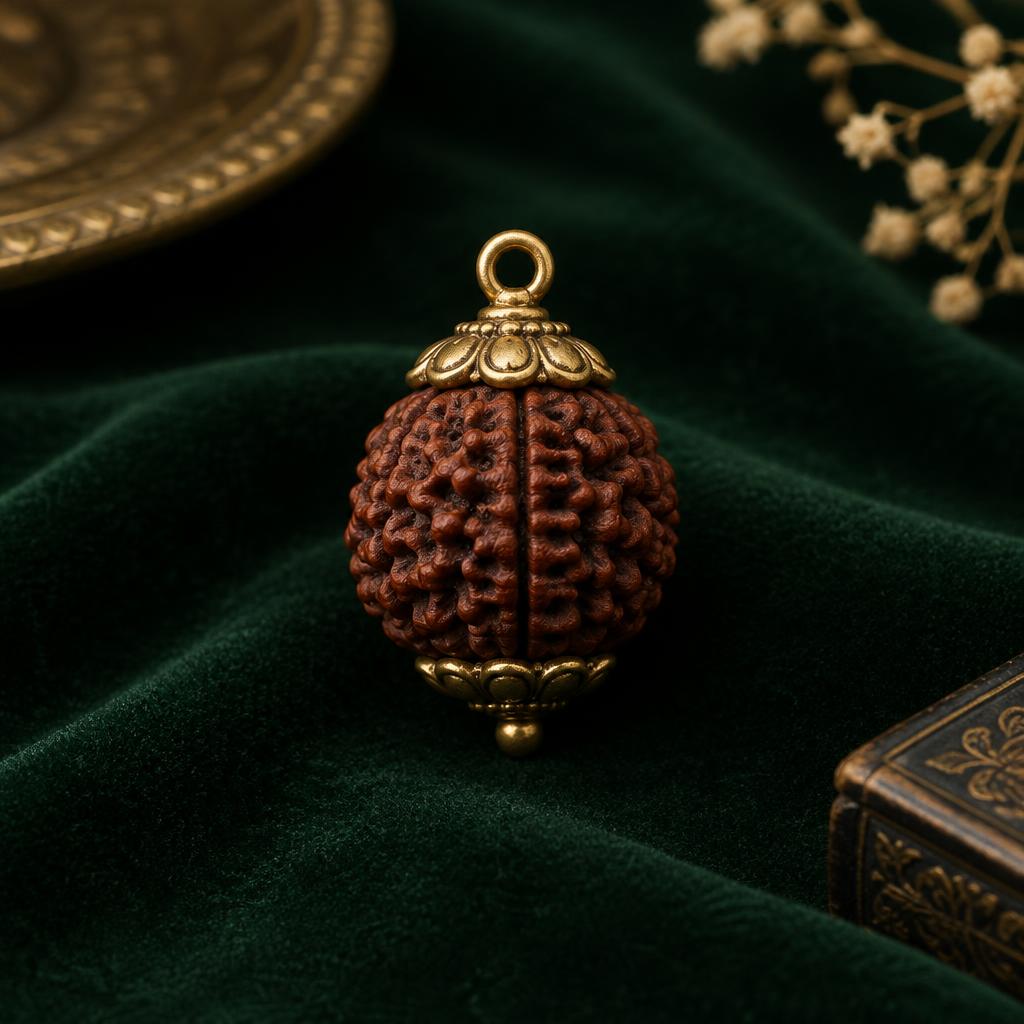 1 MukhiRepresentative image
1 Mukhi Rudraksha (Half-moon)
Indian origin · Half-moon shape
Traditionally associated with focus and meditation and spiritual aspiration.
₹7,600
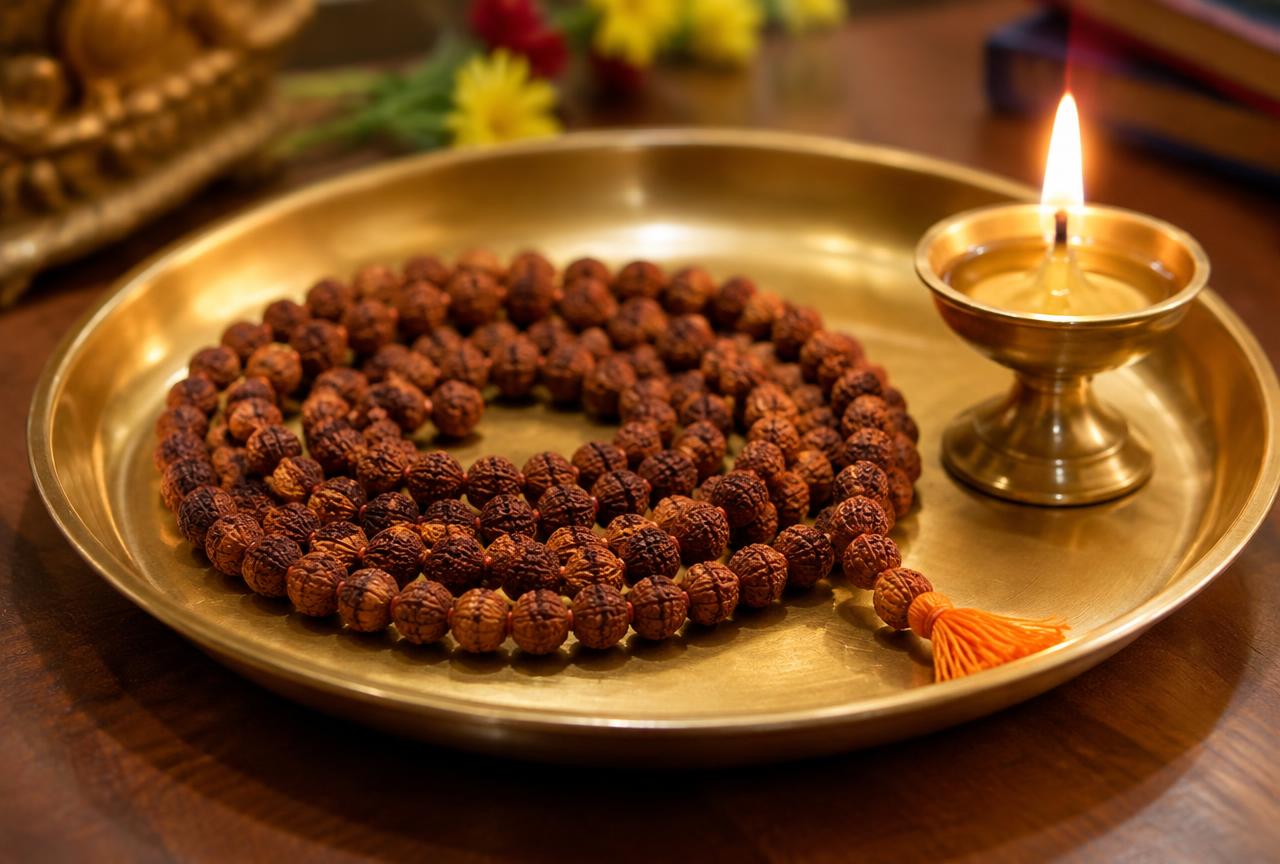 5 MukhiRepresentative image
5 Mukhi Rudraksha
Nepal origin · 17mm – 22mm
Traditionally associated with general wellbeing and daily practice and japa.
₹769
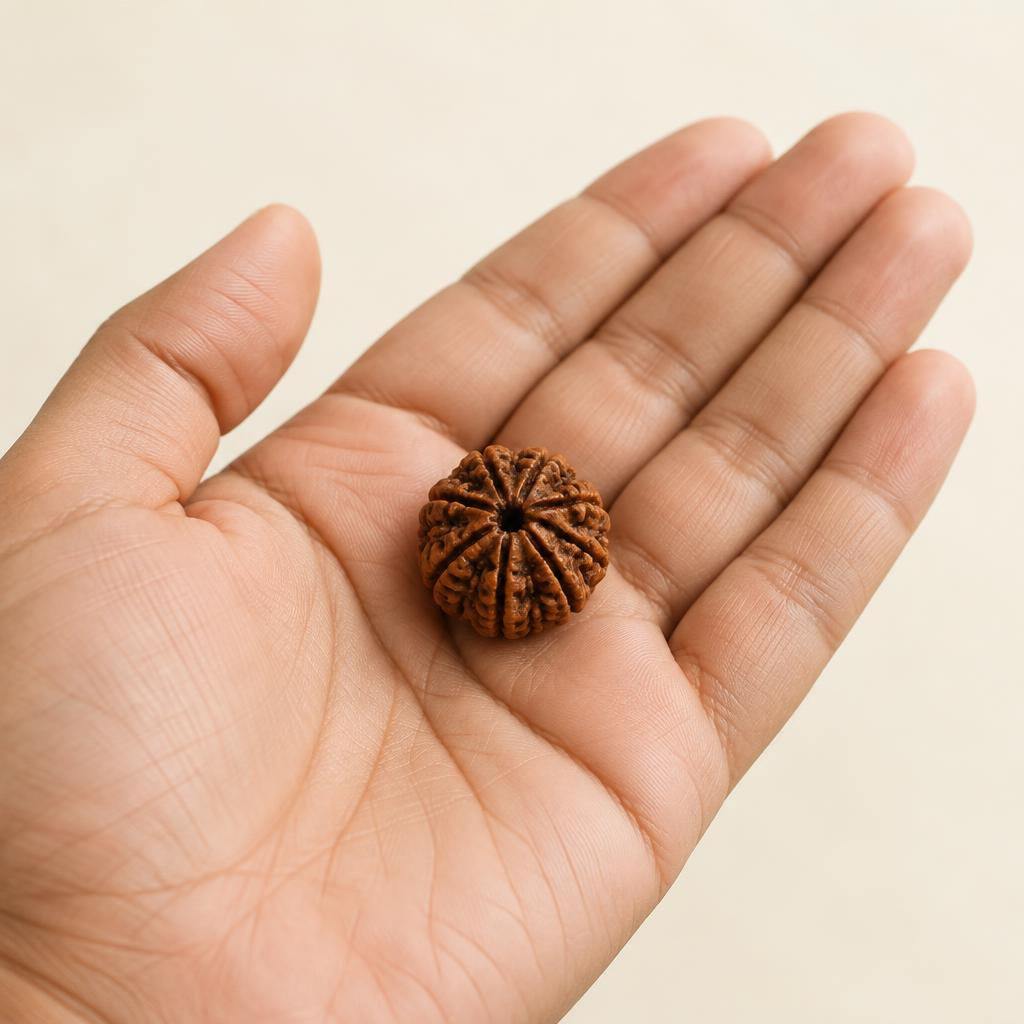 14 MukhiRepresentative image
14 Mukhi Rudraksha
Nepal origin · 17mm – 22mm
Traditionally associated with intuition and judgement and spiritual protection traditions.
₹72,599
 21 MukhiRepresentative image
21 Mukhi Rudraksha
Nepal origin · 17mm – 22mm
Traditionally associated with prosperity traditions and collectors and devotees.
Price on request
Keep reading
How to Choose the Right Rudraksha: A Practical Guide for Beginners
A step-by-step guide to choosing the right Rudraksha by purpose, Mukhi, size, origin and budget — without pressure or false promises.
Nepal vs Indonesian Rudraksha: Differences in Size, Lines and Price
Compare Nepali and Indonesian (Java) Rudraksha by size, Mukhi clarity, weight, price and use — and learn how to choose the right origin for you.
5 Mukhi Rudraksha: Meaning, Benefits in Tradition and How to Wear It
Everything about 5 Mukhi (Five Mukhi) Rudraksha — its traditional meaning, who wears it, mala use, how to choose a genuine bead and wearing guidelines.