
Rudraksha for Students: Traditional Beads for Focus, Memory and Study
Rudraksha Advisor team · 5 min read
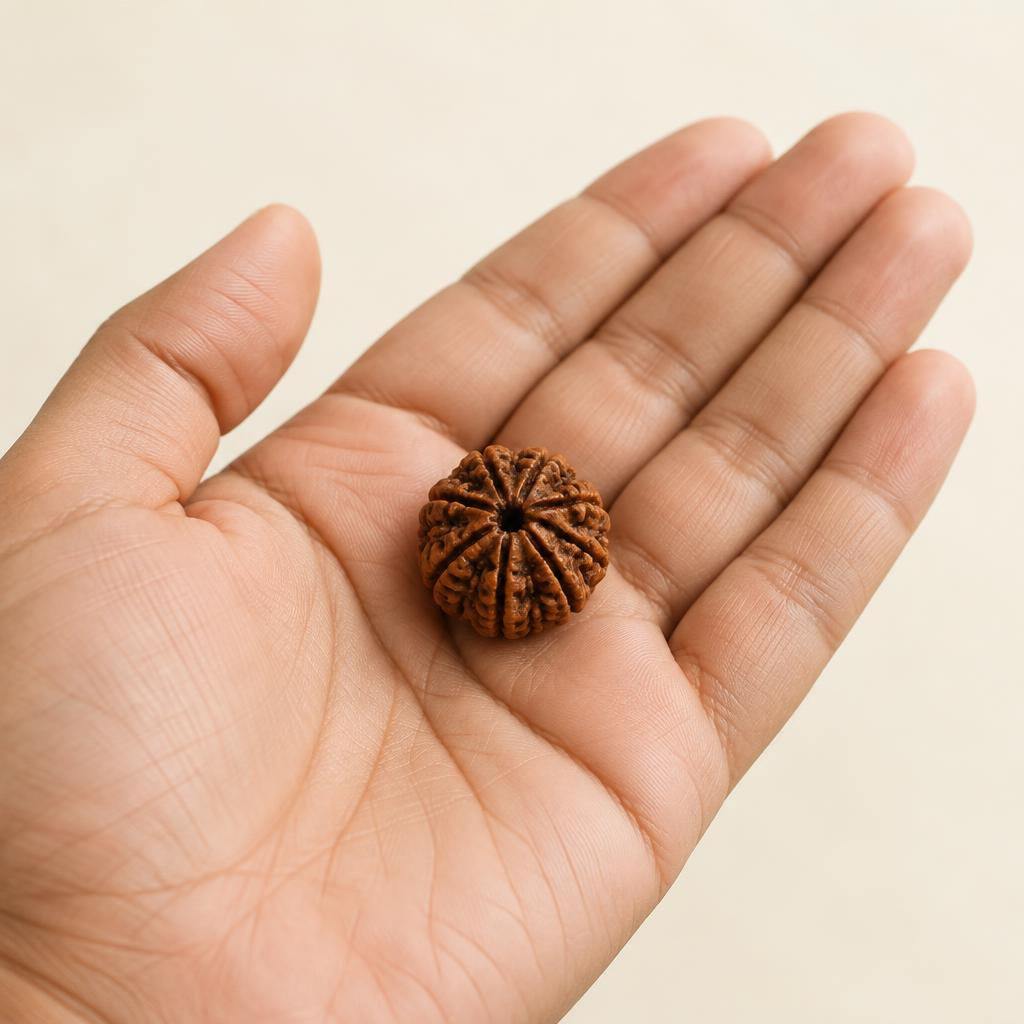
Exams, competitive tests and the pressure of choosing a career can be stressful for students and their families. Many parents in Kerala and across India consider Rudraksha as a traditional support during these years. This article explains which beads are traditionally associated with learning and focus, and offers practical advice so that expectations stay realistic and healthy.
Realistic expectations
No bead can replace study, sleep, good teaching or professional support for stress and mental health. In tradition, Rudraksha is worn as a spiritual reminder that can accompany a student's efforts — a symbol of calm, focus and blessings. If a student is struggling with anxiety or health issues, please seek help from qualified professionals alongside any spiritual practice.
4 Mukhi: learning and expression
The 4 Mukhi is traditionally associated with Lord Brahma, the creator, and with Goddess Saraswati's qualities of knowledge and expression. It is one of the most commonly chosen beads for students, teachers, writers and anyone whose work involves learning and communication. It is widely available and affordable.
5 Mukhi: calm and steady practice
The 5 Mukhi is considered gentle and suitable for everyone, including children and teenagers. It is often chosen for a calm mind and steady daily practice, and is frequently combined with the 4 Mukhi for students.
6 Mukhi: willpower and discipline
The 6 Mukhi is associated with Lord Kartikeya, the commander of divine forces, and with qualities of willpower, discipline and focus. It is sometimes suggested for students preparing for long-term goals such as entrance or competitive exams.
8 Mukhi and Ganesh Rudraksha
Lord Ganesha is traditionally worshipped at the start of learning, and the 8 Mukhi or a Ganesh Rudraksha (a bead with a natural trunk-like protrusion) is sometimes chosen for new beginnings, such as joining college or starting a new course.
Practical tips for students
If a student decides to wear Rudraksha, these simple practices are often suggested:
- Choose a small, light bead or bracelet that is comfortable during school or college.
- A short mantra or prayer before study can create a calm start to the session.
- Keep the bead clean and dry; remove it during sports if it may get damaged.
- Pair the practice with healthy routines: regular sleep, breaks, exercise and planned revision.
For parents
Talk with your child about why they might wear Rudraksha, and let them be part of the decision. A bead chosen together and worn willingly is more meaningful than one imposed. Budget-friendly options such as 4 and 5 Mukhi are usually entirely sufficient; there is no need to buy rare, expensive beads for a student.
Getting personalised guidance
If you would like help choosing a bead for a student, share the student's age, course or exam, and your budget through our consultation form or on WhatsApp. Our team will suggest suitable, sensible options and explain the traditional reasoning behind each one.
Frequently asked questions
At what age can a child wear Rudraksha?
There is no strict age rule in most traditions. Young children often wear a small 5 Mukhi bead on a thread under parental supervision. For very small children, make sure the bead is securely tied and cannot become a choking hazard.
Is 4 Mukhi or 6 Mukhi better for studies?
Both are traditionally associated with learning. The 4 Mukhi is linked with knowledge and expression, while the 6 Mukhi is linked with willpower and discipline. Some students wear both together, often with a 5 Mukhi. The choice depends on what the student feels they need most.
Can students wear Rudraksha in school or college?
Generally yes, as long as it follows the institution's dress code. A small bead on a thread or a slim bracelet is usually discreet and comfortable. Students may prefer to remove it during sports or laboratory work to avoid damage.
Will wearing Rudraksha improve exam results?
No bead can guarantee results. Exam performance depends on preparation, understanding, rest and wellbeing. Many students find a short prayer and a calm routine helpful, and Rudraksha can be part of that routine as a spiritual reminder of focus and effort.
Do students need expensive beads?
No. Affordable beads such as 4, 5 and 6 Mukhi are entirely suitable for students. Spending large amounts on rare beads for a student is rarely necessary, and we usually advise families to stay within a modest budget.
This article describes traditional beliefs for educational purposes. Rudraksha is not a substitute for medical, legal or financial advice, and no outcome is guaranteed.
Beads mentioned in this article
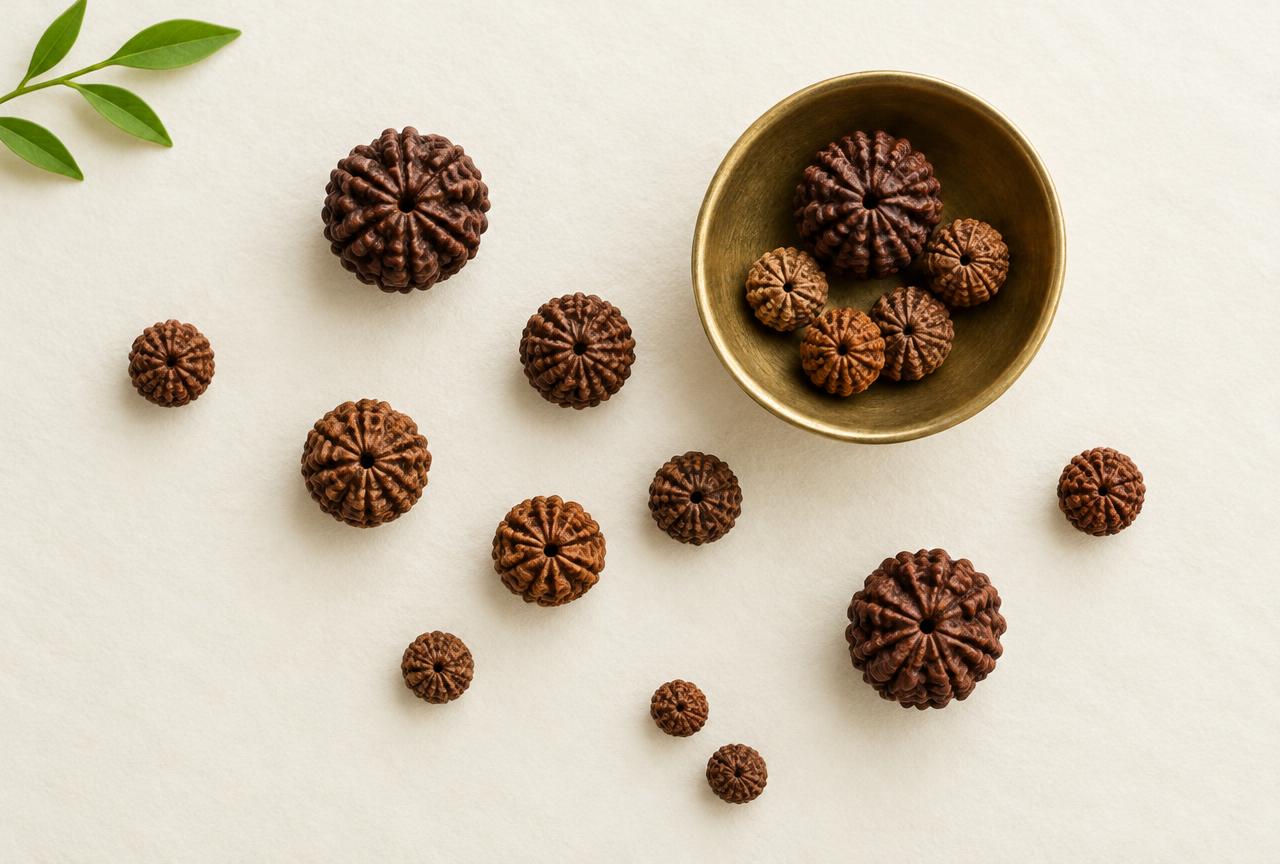 4 MukhiRepresentative image
4 Mukhi Rudraksha
Nepal origin · 17mm – 22mm
Traditionally associated with study and communication and creativity.
₹989
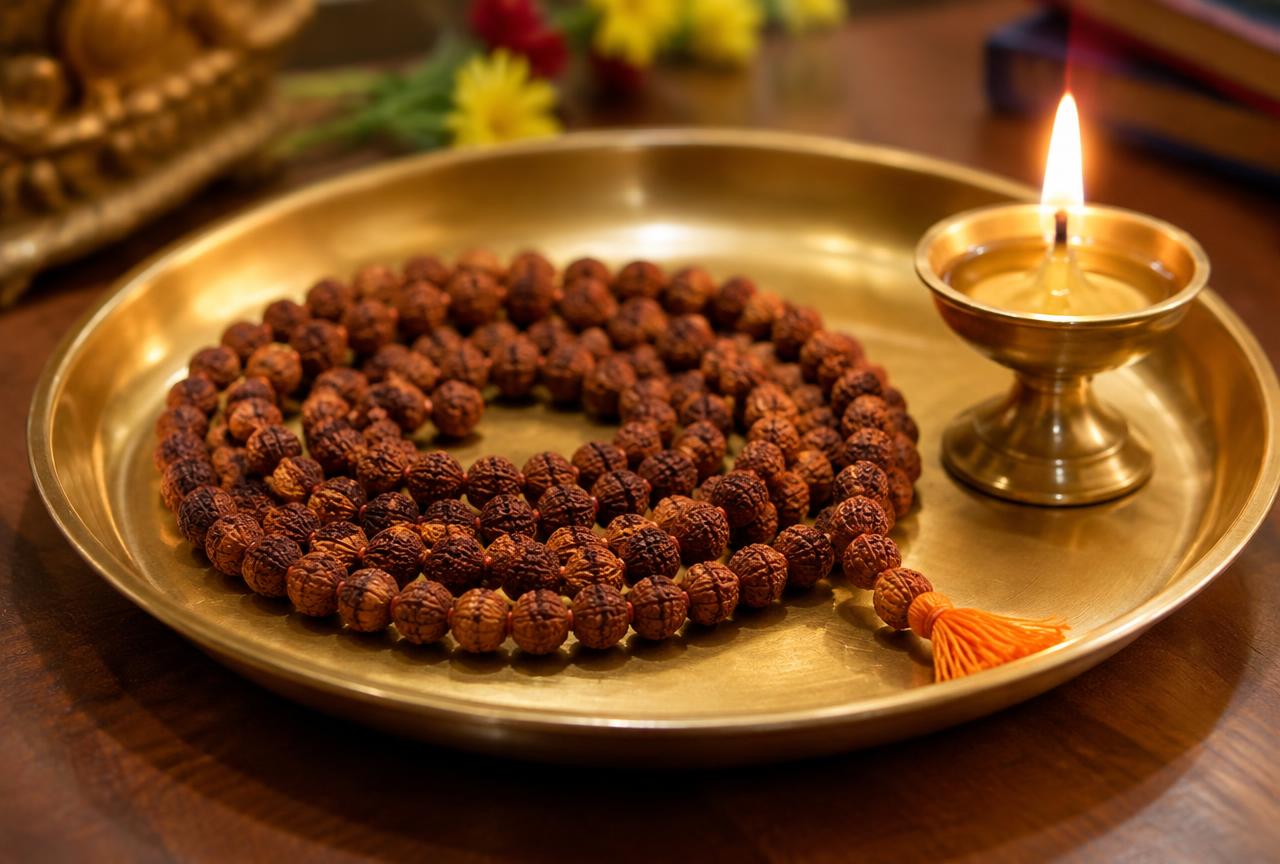 5 MukhiRepresentative image
5 Mukhi Rudraksha
Nepal origin · 17mm – 22mm
Traditionally associated with general wellbeing and daily practice and japa.
₹769
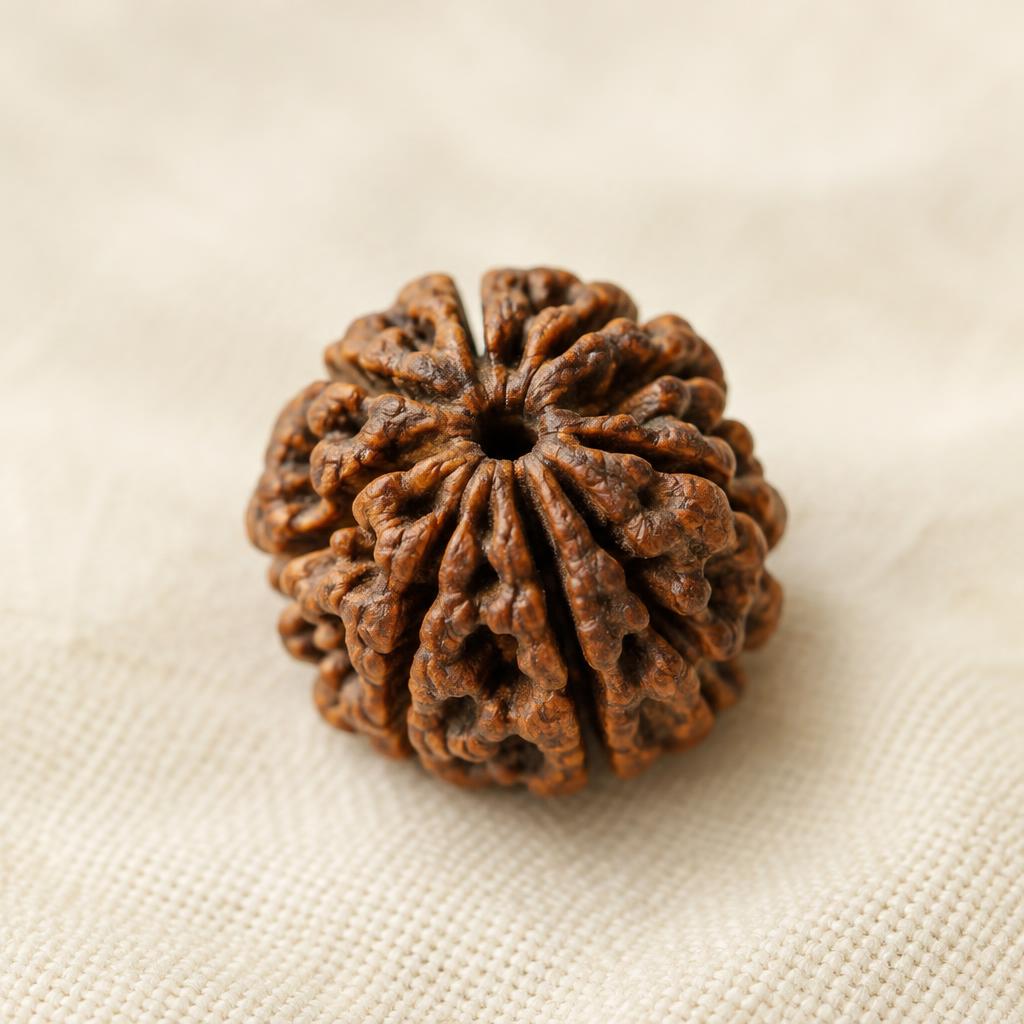 6 MukhiRepresentative image
6 Mukhi Rudraksha
Nepal origin · 17mm – 22mm
Traditionally associated with discipline and steadiness.
₹879
8 MukhiRepresentative image8 Mukhi Rudraksha
Nepal origin · 17mm – 22mm
Traditionally associated with new ventures and overcoming obstacles.
₹7,699
Keep reading
How to Choose the Right Rudraksha: A Practical Guide for Beginners
A step-by-step guide to choosing the right Rudraksha by purpose, Mukhi, size, origin and budget — without pressure or false promises.
How to Identify an Original Rudraksha: Authenticity Checks That Actually Help
Learn practical ways to check if a Rudraksha is original — natural Mukhi lines, origin, X-ray reports and seller transparency — and why popular 'tests' mislead.
Nepal vs Indonesian Rudraksha: Differences in Size, Lines and Price
Compare Nepali and Indonesian (Java) Rudraksha by size, Mukhi clarity, weight, price and use — and learn how to choose the right origin for you.