
Rudraksha Price Guide: Why Prices Vary So Much and How to Budget
Rudraksha Advisor team · 6 min read
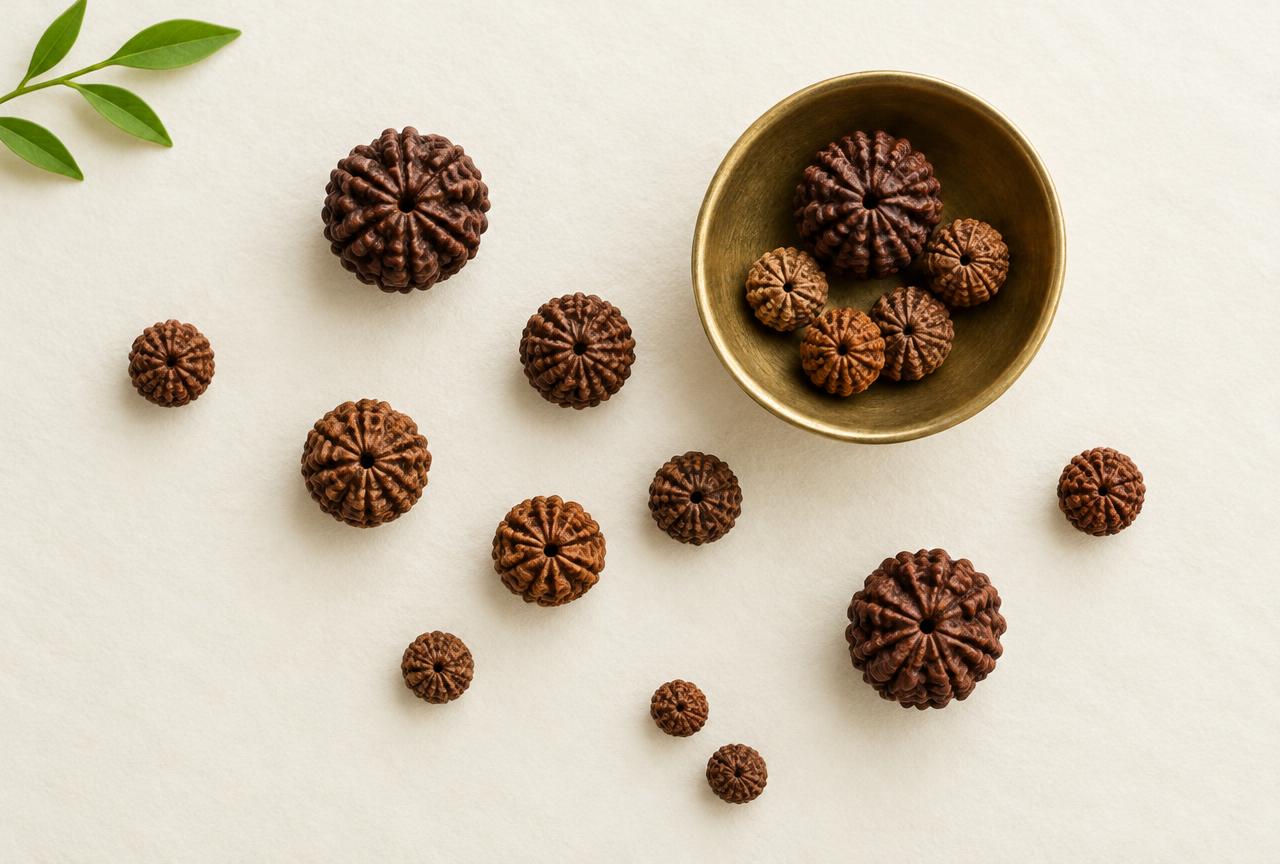
One of the most confusing aspects of buying Rudraksha is price. Two beads with the same Mukhi can differ in price by many times, and rare beads can cost as much as a car. Understanding what drives these differences helps you spot unfair pricing, avoid overspending and choose a bead that offers genuine value for your purpose.
Mukhi count and rarity
The biggest factor is the number of Mukhi. Beads with 3 to 7 Mukhi are produced in large quantities and are relatively affordable. As the Mukhi number rises above about 10, beads become progressively rarer, and prices rise steeply. Very high Mukhi beads, such as 17 to 21, are extremely scarce, and prices reflect this.
Origin
Nepali beads, especially large ones with clear lines, generally cost more than Indonesian beads of the same Mukhi. For higher Mukhi, the difference can be substantial. Indonesian beads offer a more affordable way to wear higher Mukhi, while Nepali beads are valued for their size and clarity.
Size and weight
Within the same Mukhi and origin, larger beads usually command higher prices. A collector-size Nepali bead can cost several times more than a small one of the same Mukhi. For daily wear, a medium size often offers the best balance of comfort and value.
Quality and condition
Sellers also price beads according to quality:
- Clarity and depth of the Mukhi lines.
- Natural, undamaged surface without cracks or insect holes.
- Shape and symmetry.
- Natural colour rather than dyed or artificially darkened.
Certification and capping
A bead accompanied by a reliable X-ray or lab report may cost more, reflecting the testing cost and added confidence. Silver or gold capping, chains and mala stringing also add to the final price. When comparing quotes, make sure you are comparing like for like: same Mukhi, origin, size, quality and accessories.
Typical price ranges
Market prices change over time and differ between sellers, but as a general idea, common beads such as 5 Mukhi can cost from a few hundred rupees, mid-range beads such as 7 to 11 Mukhi often range from a few thousand to several thousand rupees, and rare beads such as 14 Mukhi and above can run from tens of thousands to many lakhs. Our collection page shows current prices for each Mukhi so you can compare openly.
Warning signs
Be cautious if a rare bead is offered far below typical market prices, if a seller refuses to show the actual bead, or if you are pressured to buy an expensive bead urgently because of fear. Very high prices without documentation are also a concern. Honest sellers explain their pricing and are comfortable with your questions.
Setting a sensible budget
Decide on a comfortable amount before you start looking, and do not exceed it because of pressure or excitement. In tradition, the sincerity with which a bead is worn is considered important, and an affordable genuine bead is far better than an expensive one bought under strain. If your purpose can be served by a 5 or 7 Mukhi, there is no need to stretch for a rarer bead.
Ask before you buy
At Rudraksha Advisor, every bead in our collection shows its price clearly, and you can ask questions on WhatsApp before buying. If you share your purpose and budget through a consultation request, our team will suggest options within that budget and explain the trade-offs honestly.
Frequently asked questions
Why is 2 Mukhi more expensive than 3 Mukhi?
Price follows natural supply rather than a simple number order. Genuine Nepali 2 Mukhi beads are much rarer than 3 Mukhi beads, so they cost considerably more. Similar exceptions occur elsewhere in the Mukhi range.
Are online Rudraksha prices negotiable?
Many sellers have fixed prices, though some offer discounts for combinations or malas. Rather than focusing on bargaining, compare like for like — same Mukhi, origin, size, quality and documentation — to understand whether a price is fair.
Does a higher price mean better spiritual value?
No. Price mainly reflects rarity, size and quality in the market. In tradition, a genuine bead worn sincerely is meaningful regardless of its cost. Choose a bead that suits your purpose and budget comfortably.
Why do some beads show 'Price on request'?
For very rare beads, prices depend heavily on the specific piece — its size, clarity, condition and documentation — and on current availability. Rather than show a misleading fixed price, we share accurate pricing when you enquire on WhatsApp.
Do prices include capping and certification?
Not always. Silver or gold capping, chains, mala stringing and lab reports can add to the final price. Always confirm what is included before you buy. On our collection page, ask on WhatsApp if you would like capping or a report quoted.
This article describes traditional beliefs for educational purposes. Rudraksha is not a substitute for medical, legal or financial advice, and no outcome is guaranteed.
Beads mentioned in this article
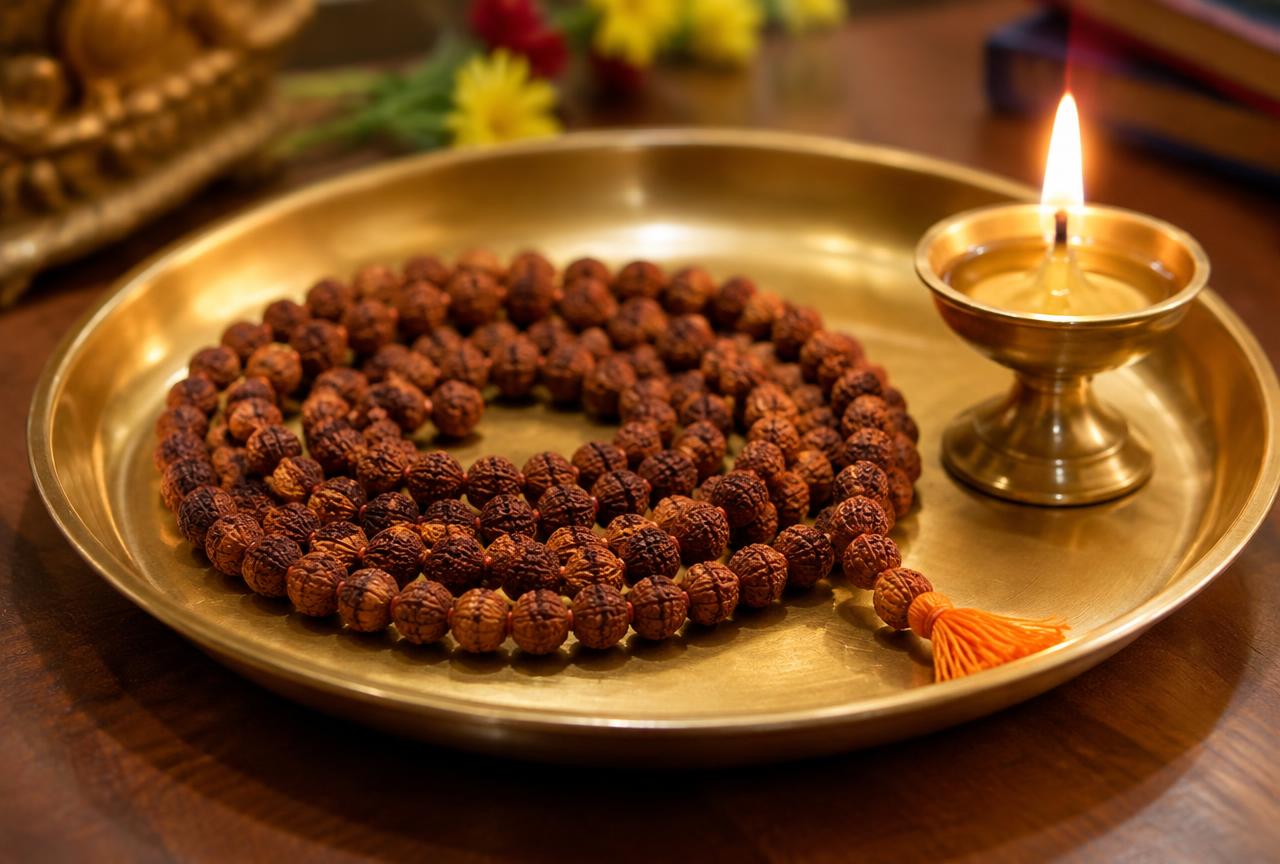 5 MukhiRepresentative image
5 Mukhi Rudraksha
Nepal origin · 17mm – 22mm
Traditionally associated with general wellbeing and daily practice and japa.
₹769
11 MukhiRepresentative image11 Mukhi Rudraksha
Nepal origin · 17mm – 22mm
Traditionally associated with fearlessness and devotion.
₹13,199
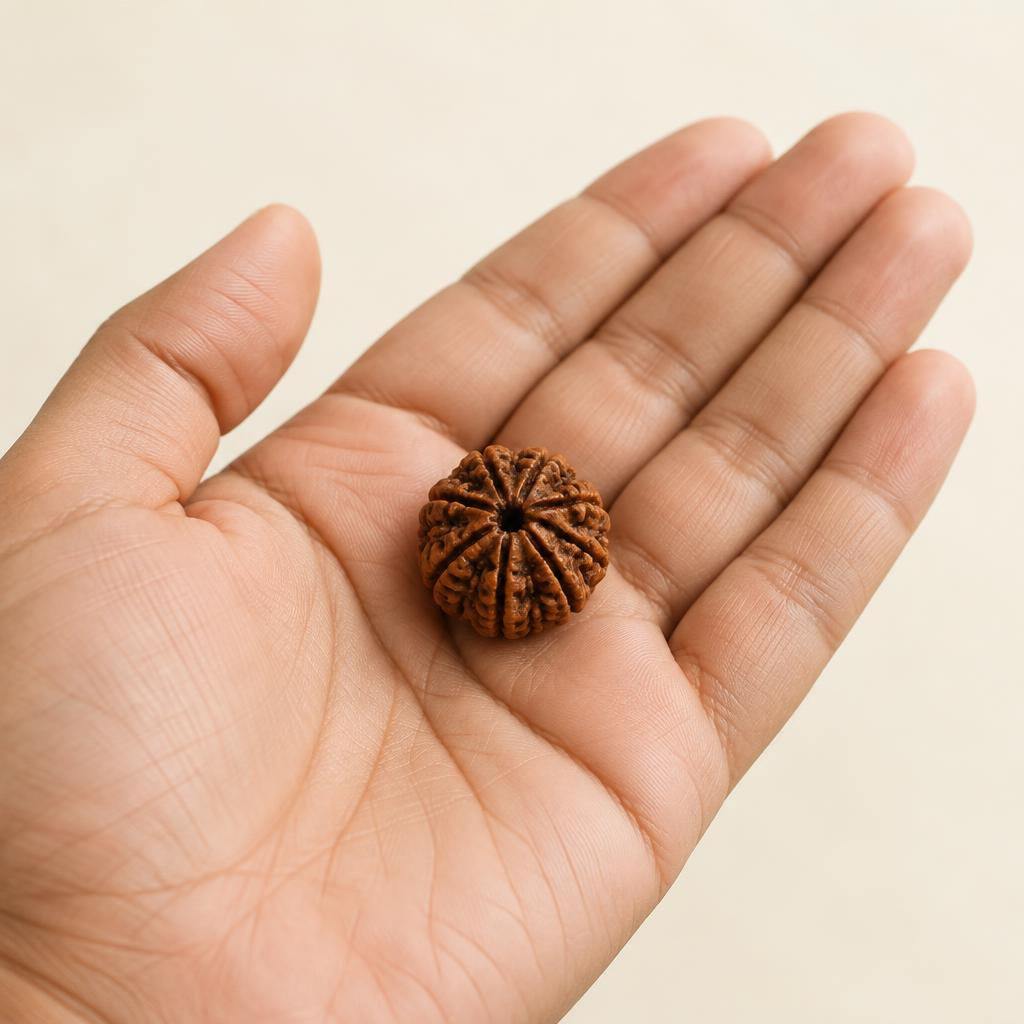 14 MukhiRepresentative image
14 Mukhi Rudraksha
Nepal origin · 17mm – 22mm
Traditionally associated with intuition and judgement and spiritual protection traditions.
₹72,599
17 MukhiRepresentative image17 Mukhi Rudraksha
Nepal origin · 17mm – 22mm
Traditionally associated with creative work and building projects.
₹2,74,999
Keep reading
How to Choose the Right Rudraksha: A Practical Guide for Beginners
A step-by-step guide to choosing the right Rudraksha by purpose, Mukhi, size, origin and budget — without pressure or false promises.
How to Identify an Original Rudraksha: Authenticity Checks That Actually Help
Learn practical ways to check if a Rudraksha is original — natural Mukhi lines, origin, X-ray reports and seller transparency — and why popular 'tests' mislead.
Nepal vs Indonesian Rudraksha: Differences in Size, Lines and Price
Compare Nepali and Indonesian (Java) Rudraksha by size, Mukhi clarity, weight, price and use — and learn how to choose the right origin for you.