
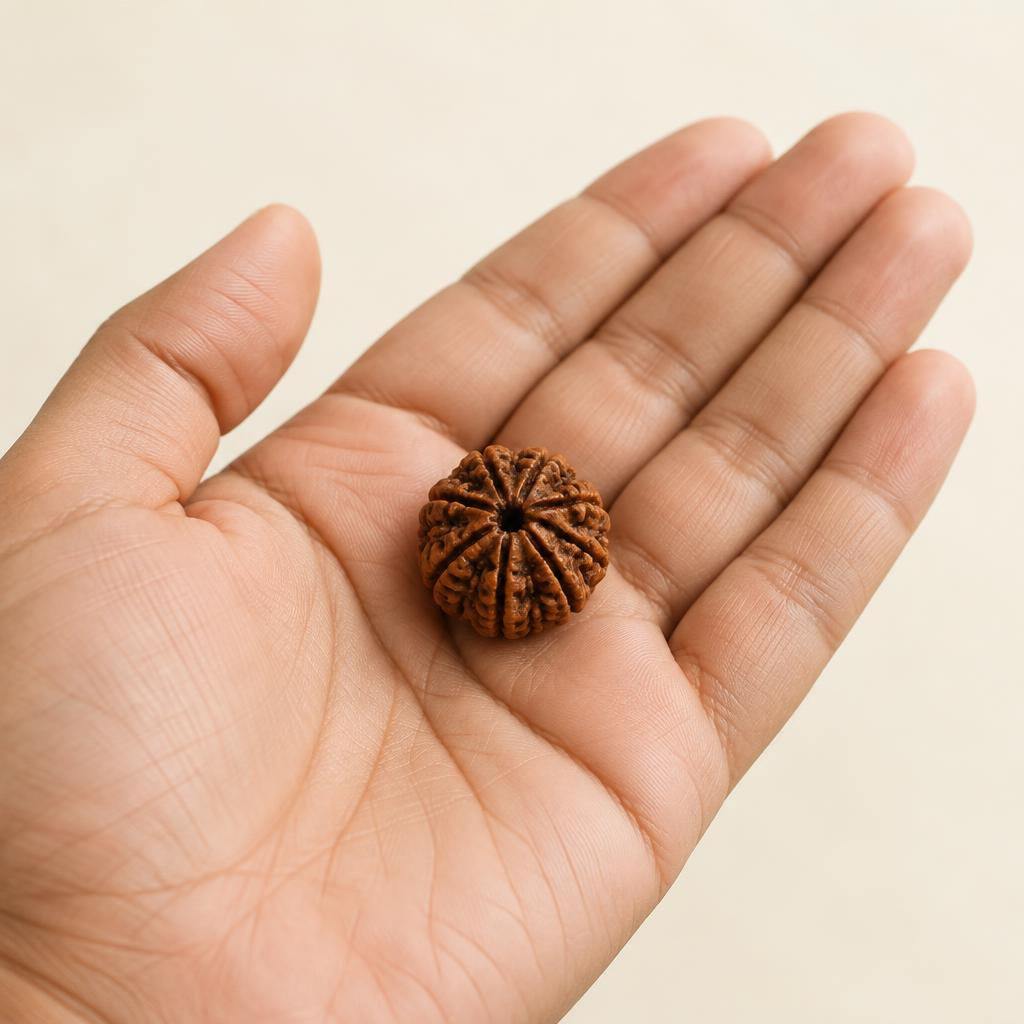
What is Rudraksha consultation?
Rudraksha consultation is a discussion about your interests, spiritual goals, preferences and questions. An advisor can explain different Mukhi options, origin information, bead condition, available documentation and wearing considerations. Personalised Rudraksha guidance should connect these details to what you actually want to understand, rather than simply directing everyone towards the same expensive product.
You might be new to meditation, comparing two beads or checking an existing purchase. Some people prefer a simple daily mala; others want to explore particular traditional associations. The value of the conversation lies in explaining choices clearly. You should leave knowing what is recommended, why it was suggested and which uncertainties still need checking.
It helps to distinguish education from assessment. General guidance can explain terminology and buying questions, while assessing a particular bead may require more information or physical examination. Ask which kind of help is being offered before you proceed. This avoids confusing a useful introductory conversation with a definitive authentication service, and gives both you and the advisor a clearer understanding of the question being discussed.
1. Personalised guidance starts with your needs
Searching for the best Rudraksha for career, relationships or spiritual growth often produces conflicting answers. These topics reflect traditional beliefs, not guaranteed results. A consultation creates room to discuss what those concerns mean to you and whether you want a devotional object, support for a personal routine or simply a better understanding of Rudraksha traditions.
Useful guidance also considers practical preferences. A large bead may not suit someone who wants discreet daily wear. A complicated combination may be unnecessary for a beginner. Sharing your comfort level, existing practice and spending limit helps keep the recommendation relevant. You should feel free to decline an option or take time before deciding.
2. Understand Mukhi selection before buying
Mukhi refers to the natural faces or divisions visible on a Rudraksha bead. Our One Mukhi to Twenty-One Mukhi guide introduces the traditional associations of each type. For example, Five Mukhi is commonly used for daily practice and japa, while Four Mukhi is traditionally connected with knowledge and learning. These descriptions are educational, not predictions.
A higher Mukhi number does not automatically make a bead better for you. Rarity, price and suitability are different questions. Consultation can help separate them, explain why an option is being considered and compare simpler alternatives. Ask whether the recommendation fits your stated purpose, rather than assuming the rarest bead is always the right choice.
Explore the One to Twenty-One Mukhi guide3. Ask better questions about Rudraksha authenticity
Rudraksha authenticity matters because a product photograph and a confident sales description cannot establish everything about a bead. Before buying, ask for clear views of the actual item, information about its condition and an explanation of its natural lines. Ask whether any treatment, repair or alteration is known, and what evidence supports the seller's description.
Consultation can help you understand which questions to raise, but remote guidance has limits. A photograph cannot confirm every internal feature or establish origin on its own. If uncertainty remains, especially with a costly or unusual bead, consider independent inspection. Be cautious of instant authenticity guarantees based only on appearance or a single informal home test.
Read about Rudraksha authenticity4. Understand what certification does and does not show
The phrase certified Rudraksha deserves a follow-up question: certified for what? Ask who issued the document, how the bead was examined and whether the report identifies the exact item being offered. Photographs, identifying details and a clear statement of the examination can be more useful than a generic certificate with little connection to the product.
Where an X-ray or laboratory report is available, ask what its findings mean and what falls outside its scope. Documentation about physical structure is not proof of spiritual effects, a guaranteed life outcome or every claim about provenance. A responsible consultation explains those distinctions and does not imply that every bead comes with independent laboratory evidence.
Keep a copy of the product description and any documentation you receive. If a seller refers to a report, request the complete readable version rather than relying on a small badge or cropped screenshot. Check that its identifying information matches the offered bead. If something is inconsistent or unclear, pause the purchase and request clarification; a document should answer questions rather than discourage them.
5. Keep your Rudraksha choice within budget
Price can vary with the offered Mukhi, size, origin claim, condition and availability. Before committing, ask what is included and whether there are additional costs for mounting, a chain, delivery or documentation. Comparing the actual specification is more meaningful than comparing promotional discounts. A consultation should help you understand the options without stretching your comfortable spending limit.
Tell the advisor if you want an affordable starting point or prefer to discuss prices before any recommendation. There is no need to buy a rare bead merely because a concern feels urgent. Avoid promises that a more expensive purchase will bring faster results. Taking time to compare information is a reasonable part of an informed decision.
Before agreeing to an order, ask how the item will be identified, what you will receive and which purchase terms apply. Confirm any applicable delivery, return or exchange conditions directly with the team; do not assume them from another shop's policies. Keep the agreed details in writing where possible. This makes your decision easier to review and reduces misunderstandings about the product or total cost.
6. Discuss wearing, comfort and care
Choosing the right Rudraksha also involves how you intend to wear or use it. Discuss bead size, weight, thread or mounting preferences and whether you want a pendant or mala. If a setting touches your skin, ask about its material. Practical comfort matters because an item that feels awkward may not fit the routine you had in mind.
Ask for care guidance appropriate to the actual bead and its setting, including cleaning, storage and when the thread or mounting should be checked. Religious wearing customs differ between traditions and families; discuss which practice you follow instead of treating every online rule as universal. Clear explanations help you approach daily use calmly, without unnecessary fear or pressure.
How online Rudraksha consultation works
At Rudraksha Advisor, you begin by submitting a consultation request with your concerns, goals, preferences and indicative budget. The team reviews the information and contacts you to discuss the next step. Online Rudraksha consultation can take place by video or phone after arrangements are agreed. Submitting the form is a request, not a confirmed appointment.
If you prefer meeting in person, appointments can be arranged at Vempally in Kottayam, subject to prior confirmation. We do not claim offices in other Kerala cities. Online guidance is available across Kerala. No payment is taken through the request form; any consultation fee should be discussed clearly before you agree to proceed, along with appointment details.
What to prepare before your consultation
Write down your main question, any existing Rudraksha you use and the amount you are comfortable spending. If you are checking a bead, keep clear photographs and any seller documentation ready. Mention whether you prefer a mala, pendant or another arrangement. You can share several concerns, but identifying your priority helps the discussion remain focused and useful.
Birth details are optional and relevant only if you want astrology-informed guidance. You do not need to disclose information that is unrelated to your question. Before submitting personal details, read the privacy policy and consent wording. If you are unsure what is needed, ask first rather than sending sensitive records or unnecessary documents through a general enquiry.
For an online appointment, choose a setting where you can speak comfortably and review any product pictures without distraction. Have your questions nearby, and ask for a summary if an explanation is difficult to follow. You can also ask which points need further checking after the conversation. Preparation does not require a detailed life history: a clear question and relevant information are usually more helpful.
Read our privacy policyWhat a responsible recommendation should include
A useful recommendation explains the suggested Mukhi, its traditional association, practical suitability, available authenticity information and indicative price range. It should also identify uncertainties and alternatives. Ask the advisor to explain unfamiliar terms in plain language. If more evidence is needed before purchasing, that should be stated openly rather than hidden behind confident or dramatic claims.
Rudraksha is part of traditional spiritual practice, not a substitute for medical treatment, mental health support, legal advice or financial planning. We do not guarantee outcomes in health, relationships, money or career. Consultation is valuable when it improves understanding and supports an informed choice, not when it creates dependence, anxiety or an expectation of automatic results.
Read the consultation disclaimerIs consultation necessary for everyone?
No. Someone who understands their tradition and wants a straightforward daily-use mala may not need an individual consultation. Reading the Mukhi guide and authenticity information can be enough to begin asking sensible questions. Consultation becomes more useful when recommendations conflict, documentation is unclear, several options are being compared or a significant purchase deserves a closer conversation.
You are welcome to ask questions without committing to buy. Explore the guide, review the consultation process and decide whether personal guidance would help you. The aim is a clear, comfortable decision that respects your beliefs and budget. If you want support, submit a request or ask about consultation on WhatsApp, and agree the next step with the team.